The Ministry of Health and Population in Nepal announced that so far no confirmed infection with the Nipah virus has been recorded within the country, but it has nonetheless raised the level of readiness and preparedness throughout the entire country, due to the emergence of cases of infection in neighboring countries.
The Ministry confirmed that it has taken a set of preventive measures with the aim of reducing potential risks.
The state of maximum alert and preparedness has been raised in all hospitals and health institutions throughout the country, and all necessary arrangements have been made to collect samples from suspected patients and conduct the necessary tests.
Although the World Health Organization has classified the overall risk level of Nipah virus at the global and regional levels in the Southeast Asia region as low, the Ministry’s Department of Epidemiology and Disease Control has alerted health facilities and authorities across the country and prepared a temporary flow chart for Nipah virus screening as part of preparedness efforts.
Nipah virus:
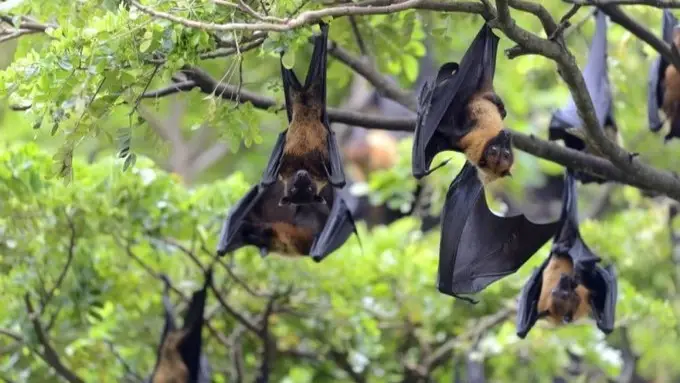
The Ministry explained that the Nipah virus may be transmitted through eating fruit contaminated with saliva, urine, or feces of fruit bats, as well as through direct contact with infected people through blood, saliva, urine, or respiratory secretions. “Transmission from bats to humans via pigs has also been reported.”
The Ministry urged citizens to fully adhere to basic public health measures, which include:
* Wash fruits well before eating them, and cook vegetables properly.
* Drink boiled or safe water.
* Maintaining cleanliness in animal pens and farms.
* Wear gloves and masks when handling meat.
* Wash hands regularly with soap and water.
* Wear masks in crowded places.
The health authorities also called for the rapid detection of patients who show suspicious symptoms, such as fever, headache, muscle pain, dizziness, cough, difficulty breathing, nausea and vomiting, and in severe cases, loss of consciousness, and to isolate and report them, and to take strict measures to prevent and control infection.