January 29, 2026
“Lebanon Debate”
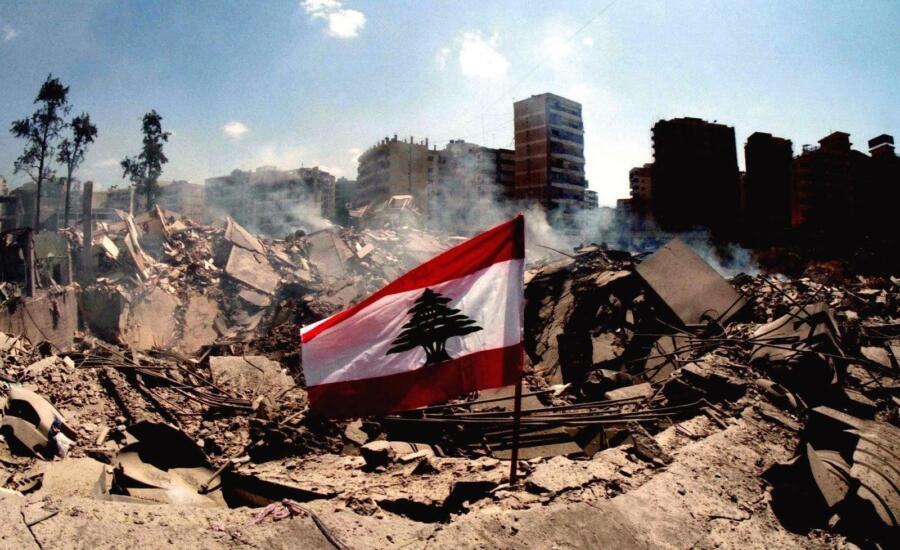
In light of the accelerating regional escalation, and with the arrival of a strike American naval force led by an aircraft carrier to the region, in exchange for a clear Iranian declaration of response to any possible American attack, fears are growing within the Lebanese arena about the repercussions of the next stage, especially since Lebanon stands at the heart of this complex storm.
Concerns increase after Hezbollah’s position of rejecting neutrality in the event that Iran is exposed to any aggression from the United States or Israel, which informed diplomatic sources saw as an additional confirmation of the independence of the party’s decision from the institutions of the Lebanese state, especially with regard to the principle of arms exclusivity and the decision on war and peace.
In the face of this complex reality, diplomatic sources stressed in their talk to “Lebanon Debate” that the only option available to the various Lebanese forces, apart from the state or the party, is to fortify the home front and strengthen national unity, with the aim of protecting the Lebanese arena from the repercussions of successive regional storms.
In what looks like the “last quarter of an hour” before any possible resolution, the sources do not rule out the possibility of reaching an American-Iranian settlement, despite the height of tension and the American fleets’ siege of Iran, noting that the relationship between Washington and Tehran has always witnessed ebbs and flows over many decades, without previously sliding into a comprehensive confrontation of this level.
The sources point out that the position of US President Donald Trump is still ambiguous, as he has tended at more than one stage towards the option of an understanding with Tehran, and he has expressed this publicly in recent days.
Between the option of war or a deal, the sources believe that the US administration still prefers the settlement path, provided that it includes the Iranian nuclear file first, then the ballistic missile program, in addition to Iran’s regional behavior through its allies.
The sources also reveal American and Israeli concern about the repercussions of any potential war on Iran, as it may cause widespread regional chaos, which may negatively reflect on President Trump’s projects and plans in the Middle East.
As for the reason for the fluctuations in Trump’s position, the sources attribute it to the absence of a clear vision of what the situation might lead to in the event of the outbreak of war, especially in light of the large difference between the Iranian reality and the experience of Venezuela.
The bottom line of the scene, according to diplomatic sources, is that the margin of settlement still exists and has not yet been closed, especially in light of the increasing Arab pressure to avoid the American military option against Iran, given the dangerous repercussions it may have on more than one arena in the region, especially Lebanon.