:
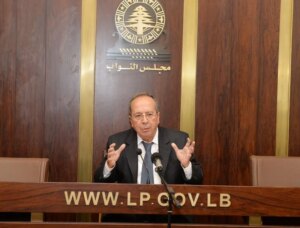
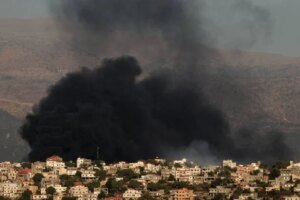
Amid the escalation of events in the south, an explanatory meeting was held that brought together a number of stakeholders, aiming to explain the mechanism of operation of the “mechanism” and its expectations. During the meeting, Ambassador Simon Karam reviewed a set of positions and details related to the effectiveness of this path and the extent of its ability to deter Israeli attacks.
Karam revealed that Lebanon had received initial notification of the possibility of holding the next meeting of the “Mechanisms” Committee on February 25, while stressing that the date is not yet final, pending the completion of the necessary consultations. He explained that the nature of participation has not yet been determined, with there being ambiguity about whether the meeting will include civilian representatives or be limited to military delegations.
When asked whether there was pressure to push Lebanon towards negotiations at the ministerial level, Karam confirmed that the matter had not been raised yet.
Karam stressed Lebanon’s insistence on convening the “mechanism” as soon as possible with the aim of stopping “Israeli persistence,” and revealed Lebanese dissatisfaction with the American slowdown, despite Washington’s acknowledgment of this, while continuing its advice that Lebanon has no interest except negotiating with Israel.
Karam touched on the pretext that Tel Aviv uses to justify attacks under the title of “the right to self-defense,” considering that Hezbollah gives Israel an “additional pretext” when it talks about rebuilding its capabilities and calls on the Lebanese to engage with it in this option.
When the issue of the killing of children in the south was raised, Karam said: “I am not Youssef Raji to justify the Israelis,” stressing that the Bint Jbeil massacre is “condemned.”
In a related context, he pointed out that Israel rejects the principle of “one step in return,” explaining that it responds to that by saying: “What step in return? While the party talks about restoring its capabilities.”
As for talk about deliberate procrastination to push Lebanon towards direct political negotiations, Karam said that if he had obtained a mandate from Presidents Joseph Aoun, Nabih Berri and Nawaf Salam, he would have gone to political negotiations “not in Naqoura but in Tel Aviv,” stressing that Lebanon has not yet been informed of any official intention to move to political negotiations.
In one of the most sensitive points, Karam revealed that there is almost a consensus between the political and military levels in Lebanon, and he is the head of the Lebanese delegation, on the presence of warehouses south of the Litani that must be handed over to the Lebanese army, adding that the party does not cooperate in that region.
He also indicated direct contact with the Israeli delegation, pointing out that the Israeli representative in “Mechanism” informed him that the next meeting would be attended by his president, not him.
Between a meeting whose date has not yet been determined, Lebanese adherence to the mechanism, Israeli rejection of any compensation, and American push towards negotiation, the path remains open to questions about whether it is capable of imposing a real truce, or whether it has become merely a stage that paves the way for a greater political option in the future.