January 25, 2026
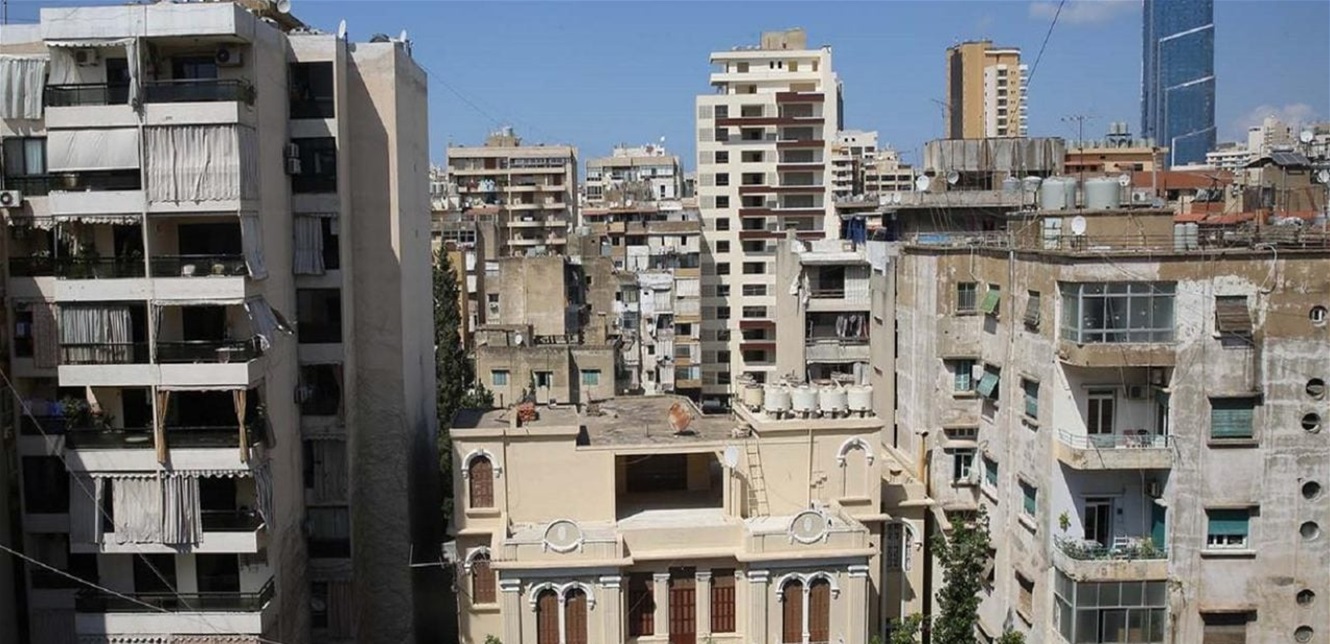
The authority estimates that there are approximately 4,000 buildings in Tripoli alone that are at risk of collapse, most of which date back many decades and suffer from neglect and lack of maintenance and oversight, in addition to a new statement by a member of the Tripoli municipality indicating that there are 1,000 buildings that “must be evacuated.”
The authority explained that “the danger is not limited to the north, but extends to various Lebanese regions, according to the following numbers, as the repercussions of the aggression are still appearing, especially those that were partially or completely damaged.”
She stressed the need to conduct a comprehensive and immediate engineering survey of old and damaged buildings and those adjacent to collapsed buildings, and to oblige municipalities and concerned parties to make quick evacuation decisions when danger is proven, which is “a power approved by law if forced evacuation by security agencies is required,” and to develop an emergency national plan to restore buildings that can be repaired or demolish those that are about to collapse, while securing the necessary funding and technical support, especially in poor and densely populated areas, and activating oversight and preventing any Occupying or investing in buildings that are unfit for habitation or use.
It also called for supporting relief agencies such as civil defense, firefighting, and security forces, and directing citizens to make way for civil defense to complete relief and humanitarian work.
She stressed that “failure to address will inevitably lead to serious consequences, especially in areas with high population density and educational and administrative institutions, where the disaster becomes only a matter of time.”
She concluded by saying: “Maintaining public safety is not an option, but rather a national and moral duty, and the responsibility is shared between the state, municipalities and owners, before repeated warnings turn into new tragedies added to the record of Lebanese crises.”