January 24, 2026
Al Arabiya reported that the activities of the Davos World Economic Forum revealed the escalation of economic disputes between allied countries, amid a sharp escalation in the political and economic tone, which once again raised an important question: Is the world witnessing the end of the unipolar economic system?
During the forum, US President Donald Trump made sharp statements towards Europe, criticizing its policies and directly demanding that it abandon Greenland, which brought the issue of tariffs and trade tensions back to the forefront.
Observers believe that trade is no longer just an economic tool for the American administration, but rather has become a means of achieving national security, used to put pressure and reshape the global balance of power.
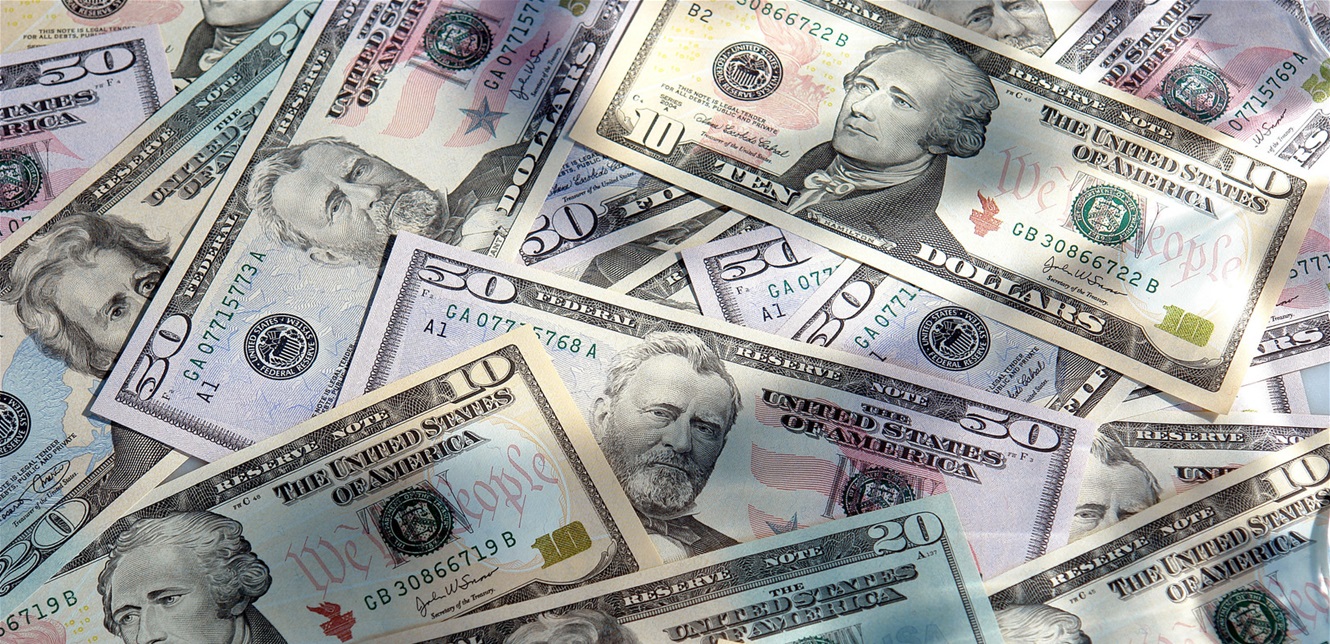
The European response was not delayed this time, but rather it was strong and unprecedented, as European Commission President Ursula von der Leyen explicitly called for the need for Europe to be liberated from the dominance of the dollar, in a clear indication of reconsidering the foundations of the global monetary system.
This position was not limited to Europe alone, but was echoed in Canada, one of the United States’ strongest allies, where Canadian Prime Minister Mark Carney, known for his extensive economic experience, expressed a similar trend calling for reducing excessive dependence on the dollar.
To understand the current situation, economists look back to the post-World War II period, when the global economic order was shaped by the Bretton Woods agreement, which placed the dollar at the heart of the global monetary system and linked the world’s economies to the United States.
This system lasted for decades, until the Nixon shock of 1971, when the dollar was delinked from gold, radically changing the rules, and global stability came to depend on trust rather than physical guarantees.
Today, this historical stability appears to be facing a new test. What the world is witnessing is not just a passing disagreement between allies, but rather a comprehensive rethinking of the form of the global economic system, the role of the dollar, and the limits of American influence.
Analysts believe that the next stage may witness a gradual shift towards a multipolar economic system, in which the centers of power are distributed among more than one currency and more than one economic axis. (Arabic)