The Lebanese political scene is heading towards more complexity in light of the intersection of regional variables with the internal inability to find sustainable solutions. Between the visit of Army Commander Rudolf Helou to Washington, the administrative appointments with political connotations, and the gradual Israeli escalation in the south, the local scene remains open to vague possibilities regarding the date of the parliamentary elections, and the increasing talk from Nejmeh Square about a technical postponement, while political disagreements are disrupting any attempt to re-establish the logic of the state.
The visit of the Lebanese Army Commander to Washington at the beginning of next February, 48 hours before the Paris conference to support the army, has dimensions that go beyond the technical, protocol, or even diplomatic and political aspects. It comes at a sensitive time, as the international community views the military establishment as a key pillar in the domestic scene, and in the solutions proposed in the “arms control” plan and the imposition of state authority over all Lebanese territories, knowing that this American message comes with conditions and calculations.
In contrast, the decision to appoint Gracia Qazzi as Director General of Customs continues to provoke reactions in the street, after the families of the victims of the Beirut port explosion considered it among the appointments that were presented as part of reactivating the administration, but it reflects the continued logic of quotas.
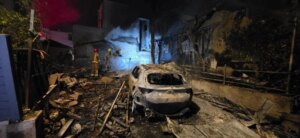
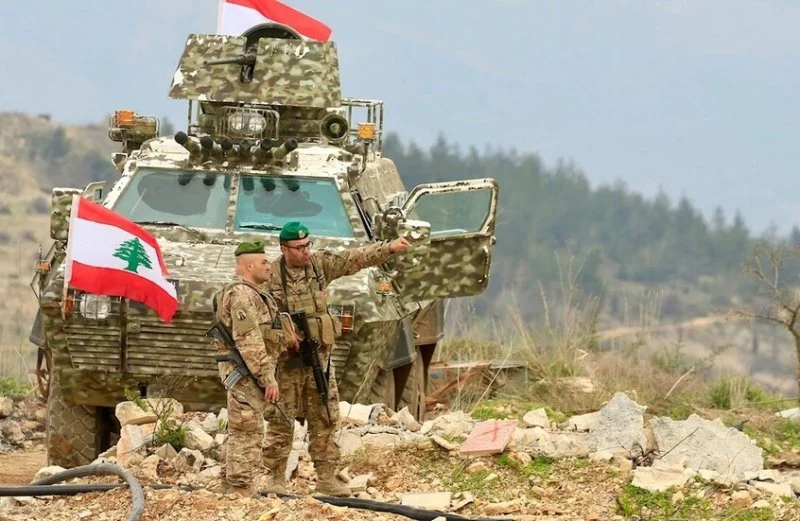
The Israeli escalation cannot be separated from the broader regional context, as Israel continues to exert calculated pressure, which affected the army in the border town of Adaysseh, where the Israeli army issued a direct field threat to the army to force it to withdraw from its border positions, which prompted the army to mobilize.
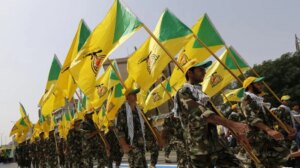
At the heart of this scene, the internal dispute over Hezbollah’s weapons continues, as the most divisive issue in Lebanon.
This dispute, which has been repeatedly postponed under the slogan “priority for stability,” has returned to disrupt the work of the ceasefire monitoring committee. The committee, which was established to ensure the implementation of Resolution 1701, seems almost paralyzed today for local and external reasons, raising questions about its role in the next phase.
In conclusion, Lebanon is going through a difficult waiting period, awaiting the results of the regional confrontation, an internal settlement that does not seem close, and external support conditional on reform and sovereignty.