كتبت “النهار”: لم يكد اللبنانيون يتماثلون للشفاء من صدمة انفجار مرفأ بيروت عام 2020، الذي أزهق أرواح الشباب وأصاب الأطفال، وأشاع الذعر في العالم بأسره، وبث الرعب في قلوب اللبنانيين، إلا أن عقول المسؤولين بقيت في سبات عميق. وها نحن اليوم أمام مشهد يتكرر، حيث تعيد الدولة إنتاج أخطائها القاتلة، وكأن الدماء التي سالت لم تكن كافية، وكأن الفساد والإهمال لم يبلغا بعد مداهما الأقصى.
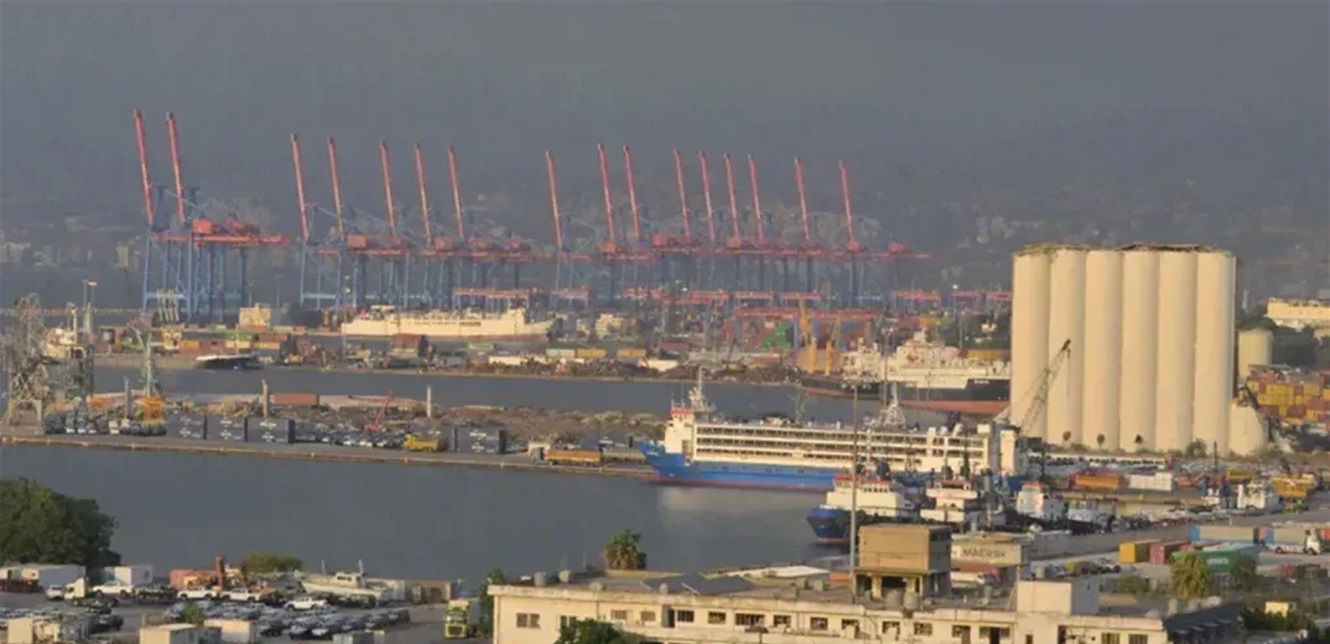
ففي منطقة برج حمود، التي تعتبر من أكثر المناطق اللبنانية اكتظاظًا بالسكان والأنشطة التجارية، يشتد الجدل حول منشآت وخزانات الغاز والمواد النفطية التابعة لشركة “كورال”، وسط اتهامات بتوسعها المستمر منذ سنوات دون التقيد بالمعايير الدولية للسلامة العامة، ودون شفافية فيما يتعلق بالتراخيص والموافقات القانونية، الأمر الذي يثير مخاوف حقيقية من خطر محدق يهدد حياة الآلاف من السكان.
وفي هذا السياق، قام المحامي علي عباس بإرسال طلبات للحصول على المعلومات إلى كل من: وزير الطاقة والمياه، وزير الأشغال العامة والنقل، وزيرة البيئة، وزير الصناعة، محافظ جبل لبنان، المجلس الأعلى للتنظيم المدني، وبلدية برج حمود، وذلك بهدف الاطلاع على الوثائق التي توضح الأسس التي يستند إليها هذا التوسع وبناء الخزانات الجديدة.
ويصف عباس الوضع بأنه “قنبلة موقوتة جديدة أمام بيروت”، مشيراً إلى أن جذور هذه القضية تعود إلى عام 2013، وهي تتعلق بشكل مباشر بسلامة المواطنين، ومؤكداً أنه سيتابع هذا الملف حتى النهاية، وسيقوم بتحديد الثغرات القانونية ومواجهة المسؤولين أمام القضاء والقانون بناءً على الوثائق التي سيحصل عليها.
من جهتها، أشارت النائبة نجاة عون صليبا إلى أن هذا الموضوع قد أثار في السابق اعتراضات واسعة من سكان المنطقة الذين تمكنوا حينها من إيقاف المشروع”، مضيفةً “أشكّ في أن تكون هذه المنشآت حاصلة على تراخيص أو ملتزمة بالمعايير العالمية، لأن المعايير الدولية تشترط على أن تكون خزانات الغاز بعيدة عن أي تجمّع سكني أو صناعي ضمن مسافات محددة.” وترى أن خطورة هذا الملف تكمن في الغطاء السياسي الذي يحميه، متسائلةً: “كيف يمكن لهذا المشروع أن يحصل اليوم على ترخيص؟ ففي عام 2017 تم إيقافه لعدم توفر المساحة الكافية ولعدم التزامه بمعايير السلامة العامة”.
وفي ظل هذا الوضع الفوضوي، يرجح عباس وجود احتمالين: إما أن تكون هناك تراخيص غير سليمة، أو أن الشركة تقوم بهذا التوسع بشكل غير قانوني. ويكشف في الوقت نفسه أن “وزارة الطاقة والمياه هي المعنية مباشرة بهذا الملف، وهي التي منحت الأذونات عام 2017 حين بدأ العمل على أعمال الترميم، إلا أنّ الوتيرة تسارعت بشكل ملحوظ في الفترة الأخيرة”.
في المقابل، تؤكد مصادر في وزارة الطاقة أن الوزارة لا تمانع في تقديم جميع المعلومات المطلوبة والمتوفرة لديها، مشيرةً إلى أن دورها يقتصر على الدراسة الفنية للملف. وتضيف المعلومات: “في عام 2017، خلال ولاية الوزير سيزار أبي خليل، جرى إعداد دراسة ملف فني وفق المرسوم 5009، وأُعطي رأي فني يسمح بتوسيع المنشأة. لكن الترخيص النهائي لا يصدر عن وزارة الطاقة، بل عن المجلس الأعلى للتنظيم المدني، بعد استكمال الدراسات من مختلف الوزارات المعنية”.
أما وزارة الأشغال، فتؤكد أن الأعمال التي تجرى حالياً هي أعمال محصورة ضمن نطاق العقار الخاص العائد للشركة، وليست قائمة على الأملاك العامة البحرية، مشيرةً إلى أن هذه الأعمال حاصلة على التراخيص والموافقات المطلوبة من الجهات المختصة. كما تشدد على أنه “لا يوجد أي امتداد أو إنشاءات جديدة على الملك البحري العام، ولا أي تعدٍّ عليه، وما يُتداول لا يستند إلى وقائع قانونية مثبتة ضمن نطاق صلاحيات وزارة الأشغال العامة والنقل. أما في ما يتعلّق بأي ادعاءات او تجاوزات بيئية، فإن معالجتها والبتّ بها لا يدخل ضمن اختصاصها”.
وفي خضم تضارب المسؤوليات، يبقى السؤال الأساسي: من هي الجهة المسؤولة عن منح الترخيص؟ يشرح المحامي علي عباس أن هناك أنواعًا متعددة من الموافقات، مشدداً على أن “المرسوم الصادر عام 2013، المعروف بالمخطط التوجيهي لمنطقة برج حمود، يركّز بشكل أساسي على أنه لا يجوز إنشاء منشآت ضخمة وخطيرة إلا وفق شروط واضحة وصريحة، وبالاستناد إلى معايير دولية معتمدة في مجال السلامة العامة. وهذا المخطط ينصّ صراحةً على أن منشآت من هذا النوع تحتاج إلى ترخيص صادر عن المجلس الأعلى للتنظيم المدني”.
ويضيف عباس “إن المعنيين لم يستندوا إلى هذا المرسوم، بل اعتمدوا على مرسوم أقدم يعود إلى العام 1993، رقم 5509″، مشيراً إلى انه “لا يميّز بين محطة وقود عادية ومنشأة تضم عشرين أو ثلاثين خزاناً كبيراً للغاز والمحروقات والمواد الهيدروكربونية، وبالتالي جرى الاستناد إليه للحصول على إذن بالترميم والتوسعة، بحجة وجود منشأة سابقة قبل تعديل المخطط التوجيهي للمنطقة، رغم أن بعد انفجار مرفأ بيروت، طُلب من جميع هذه المنشآت نقل خزاناتها خارج المنطقة”.
كما يلفت إلى أن قانون تقييم الأثر البيئي ينص على أن أي مشروع يتضمن إنشاء خزانات ضخمة، يفرض إجراء دراسة لتقييم الأثر البيئي، مما يتطلب موافقة من وزارة البيئة، مضيفاً “نحن اليوم نتحدث عن منشأة مصنّفة ضمن فئة الخطر المحدق العالي جداً (A1)، أي أعلى درجات المخاطر على السلامة العامة، وهذا الموضوع ليس مزحة. لكن من أجل الجشع والربح السريع، لا تشكّل سلامة الناس أولوية.”
ويختم قائلاً: ” فبلدية برج حمود تتقاضى من جهة، والوزارات تتحاصص فيما بينها من جهة أخرى، وتمنح تراخيص بلا ضوابط، وفي النهاية يرفع الجميع شعار مكافحة الفساد”. يبدو أنّ خزانات “كورال” في برج حمود تمثل اختباراً جديداً لدولة لم تستوعب بعد أن سلامة المواطنين هي حق أساسي لا يقبل المساومة. وبعد كارثة 4 آب، لم يعد أمام اللبنانيين سوى التضرع إلى الله كي لا “تتكرّر الكرّة”.
“Annahar” wrote: The Lebanese had barely recovered from the shock of the 2020 Beirut port explosion, which claimed the lives of young people, injured children, and spread panic throughout the world, and instilled terror in the hearts of the Lebanese, but the minds of officials remained in a deep sleep. Today, we are facing a recurring scene, where the state is reproducing its deadly mistakes, as if the blood that was shed was not enough, and as if corruption and negligence have not yet reached their maximum extent.
In the Burj Hammoud area, which is considered one of the most densely populated and commercially active areas in Lebanon, the debate is intensifying over the facilities and tanks of gas and petroleum materials belonging to the “Coral” company, amid accusations of its continuous expansion for years without adhering to international public safety standards, and without transparency regarding licenses and legal approvals, which raises real fears of an imminent danger threatening the lives of thousands of residents.
In this context, lawyer Ali Abbas sent requests for information to each of: the Minister of Energy and Water, the Minister of Public Works and Transportation, the Minister of Environment, the Minister of Industry, the Governor of Mount Lebanon, the Higher Council for Urban Planning, and the Municipality of Burj Hammoud, in order to view the documents that clarify the basis on which this expansion and the construction of new tanks are based.
Abbas describes the situation as “a new time bomb in front of Beirut,” noting that the roots of this issue date back to 2013, and it is directly related to the safety of citizens, stressing that he will follow up on this file until the end, and will identify legal loopholes and confront officials before the judiciary and the law based on the documents he obtains.
For her part, MP Najat Aoun Saliba indicated that this issue had previously sparked widespread objections from the residents of the area, who were able at the time to stop the project,” adding, “I doubt that these facilities have licenses or comply with international standards, because international standards stipulate that gas tanks must be far from any residential or industrial gathering within specific distances.” She believes that the danger of this file lies in the political cover that protects it, asking: “How can this project obtain a license today? In 2017, it was stopped due to the lack of sufficient space and its failure to comply with public safety standards.”
In light of this chaotic situation, Abbas suggests that there are two possibilities: either there are improper licenses, or the company is carrying out this expansion illegally. At the same time, he reveals that “the Ministry of Energy and Water is directly concerned with this file, and it is the one that granted the permits in 2017 when work began on the restoration work, but the pace has accelerated significantly in the recent period.”
In contrast, sources in the Ministry of Energy confirm that the Ministry does not mind providing all the required information available to it, noting that its role is limited to the technical study of the file. The information adds: “In 2017, during the term of Minister Cesar Abi Khalil, a technical file study was prepared in accordance with Decree 5009, and a technical opinion was given allowing the expansion of the facility. But the final license is not issued by the Ministry of Energy, but by the Higher Council for Urban Planning, after completing the studies from the various concerned ministries.”
As for the Ministry of Public Works, it confirms that the works currently underway are works limited to the scope of the private property belonging to the company, and are not based on public maritime property, noting that these works have the required licenses and approvals from the competent authorities. It also stresses that “there is no extension or new construction on the public maritime property, and no encroachment on it, and what is being circulated is not based on legal facts proven within the scope of the powers of the Ministry of Public Works and Transport. As for any allegations or environmental violations, addressing and deciding on them is not within its jurisdiction.”
In the midst of conflicting responsibilities, the basic question remains: Who is the authority responsible for granting the license? Lawyer Ali Abbas explains that there are multiple types of approvals, stressing that “the decree issued in 2013, known as the guiding plan for the Burj Hammoud area, focuses mainly on the fact that it is not permissible to establish huge and dangerous facilities except in accordance with clear and explicit conditions, and based on international standards approved in the field of public safety. This plan explicitly stipulates that facilities of this type require a license issued by the Higher Council for Urban Planning.”
Abbas adds, “Those concerned did not rely on this decree, but rather relied on an older decree dating back to 1993, No. 5509,” noting that it “does not distinguish between a regular gas station and a facility that includes twenty or thirty large tanks for gas, fuel, and hydrocarbon materials, and therefore it was used to obtain permission for renovation and expansion, under the pretext that there was a previous facility before the guiding plan for the area was amended, although after the Beirut port explosion, all these facilities were asked to move their tanks outside the area.”
He also points out that the Environmental Impact Assessment Law stipulates that any project that includes the construction of huge tanks requires conducting a study to assess the environmental impact, which requires approval from the Ministry of Environment, adding, “Today we are talking about a facility classified in the category of very high imminent danger (A1), which is the highest degree of risk to public safety, and this matter is not a joke. But for the sake of greed and quick profit, the safety of people is not a priority.”
He concludes by saying: “The municipality of Burj Hammoud collects from one side, and the ministries share among themselves from the other side, and grant licenses without controls, and in the end everyone raises the slogan of combating corruption.” It seems that the “Coral” tanks in Burj Hammoud represent a new test for a state that has not yet absorbed that the safety of citizens is a basic right that cannot be compromised. After the August 4 disaster, the Lebanese have nothing left but to pray to God that “it does not happen again.”