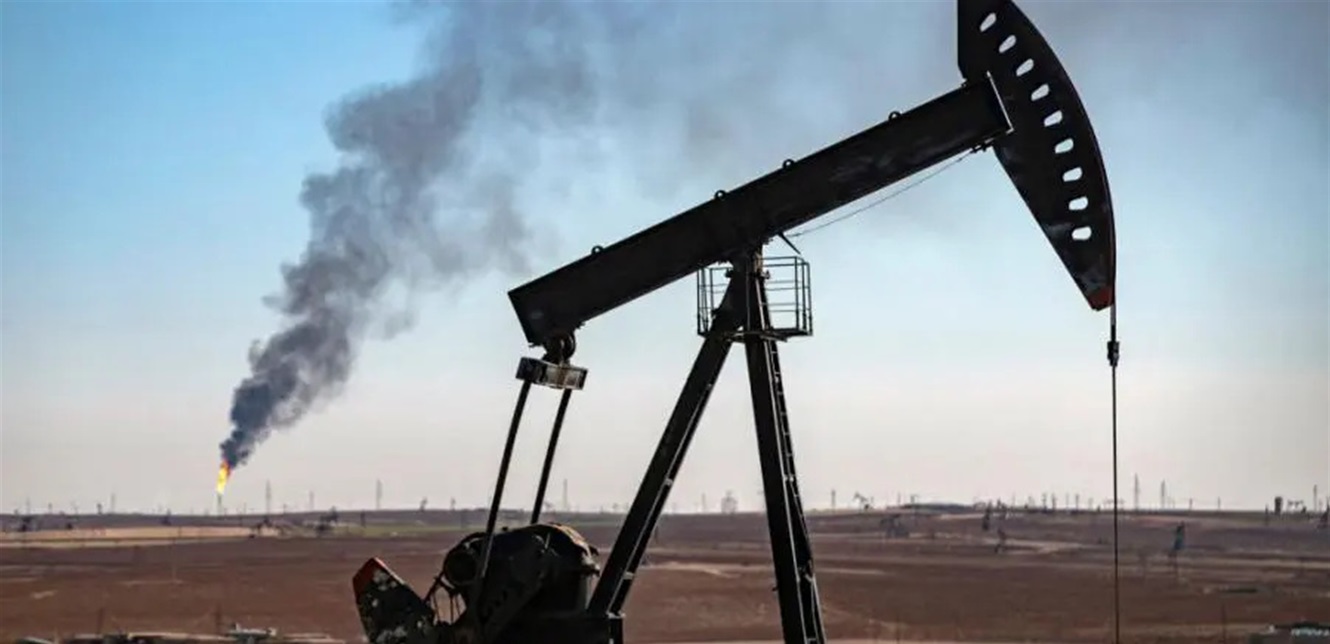
Oil and gas constitute one of the most important pillars of the geopolitical conflict in Syria, where more than 70% of energy reserves are concentrated east of the Euphrates River, in areas controlled by the “Syrian Democratic Forces,” which has practically become a direct sphere of influence for the United States of America through military bases and sites spread around the fields and vital facilities.
The energy backbone east of the Euphrates:
“Al-Omar Oil Field”: Located in the eastern Deir ez-Zor countryside, it is the largest in eastern Euphrates, with reserves estimated at about 760 million barrels. Its maximum production in 2011 reached about 29 million barrels annually before declining significantly after the outbreak of the war.
“Al-Tank Oil Field”: Also located in the eastern Deir ez-Zor countryside near Al-Shuaitat, its maximum production reached about 40,000 barrels per day, which constituted about 40% of Syrian oil production before 2011, with reserves estimated at 250 million barrels of high-quality crude.
“Al-Suwaidiya Fields Complex”: Located in the northern Al-Malikiyah countryside in Al-Hasakah, it contains large unexploited oil and gas reserves. Its oil production before 2011 exceeded 104,000 barrels per day, in addition to gas production of nearly 500,000 cubic meters per day.
“Koniko Gas Field”: Considered one of the largest gas facilities in Syria, it was established in 2001, and its production capacity exceeded 4.7 billion cubic meters annually, and it was a fundamental pillar in supplying power plants and the fertilizer industry.
“Al-Jabsah Fields Complex”: Located in the southern Al-Hasakah countryside, it contributed with “Koniko” about 53% of Syrian gas production before the war, along with limited oil production.
“Rmelan Fields Complex”: Considered one of the oldest and most abundant Syrian oil regions, it includes more than 1,300 oil wells. Its production peaked at 165,000 barrels per day before 2011, before declining significantly with the change in security control.
This data confirms that the energy resources in eastern Euphrates are not merely an economic resource, but rather represent a tool of political and military influence, and a major focus in the conflict over the future of Syria, in light of the entanglement of local, regional and international interests around this rich region.