The movement of envoys and ambassadors of the Quintet Committee in Beirut raises questions about the ceiling of external support and direct patronage of financial, security, and economic files. Some fear that this patronage will exceed its limits and become interference in internal affairs, and that the Lebanese decision will become linked to the regional balances formulated by Washington in the region, which in turn have become affected by the expected decision of President Donald Trump regarding Iran.
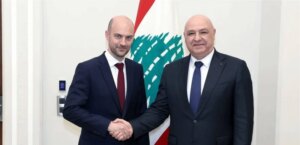
Between international support and strict external oversight, Lebanon stands today at a crossroads. One of the signs of this support is the official date set for the conference to support the Lebanese army in Paris on March 5, which was announced during a meeting at Baabda Palace between President Joseph Aoun and envoys and ambassadors of the “Quintet” countries. This development reinforces an internal equation based on the pivotal role that the military institution will play in the next phase, so that the army becomes at the heart of external patronage for the Lebanese situation, provided that progress in this task is the basis for support in the reconstruction process after next March.
Well-informed sources explain to that the movements of Arab and international envoys may represent an opportunity to re-establish Lebanon’s position, but at the same time it is a warning that any delay in reforms will turn international support into an undeclared tutelage. The sources indicate that any financial support after the “Gap” law is passed or economic support after the implementation of the “Confining Weapons” plan will be accompanied by international oversight through various mechanisms, such as donor committees, the World Bank, and the Quintet group, to ensure that aid does not turn into waste or corruption.