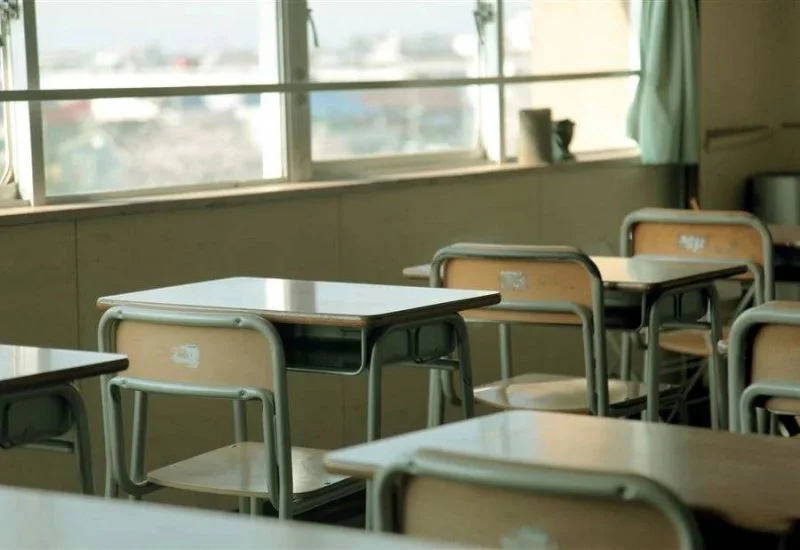
In light of the noticeable increase in cases of seasonal influenza H3N2 in Lebanon, and with the escalating talk about the significant pressure hospitals are facing, the debate on social media has renewed regarding the possibility of extending the official and private school holiday, with the aim of reducing the spread of infection among students. This rapid circulation of news has raised parents’ concerns and raised questions about the health and educational situation in the country.
In the context of following up on these rumors, educational sources stated to that the news circulating about an imminent decision to close schools or extend the holiday is baseless, stressing that what is being published on social media is inaccurate, especially since we are about a week away from the end of the scheduled holiday.
The sources explained that any such decision falls within the powers of the Ministry of Education exclusively, ruling out postponing the return to schools at the present time. However, they indicated that the expected return will be accompanied by a set of preventive measures that school administrations will be required to adhere to, especially in the early educational stages.
The sources also emphasized the importance of tightening health control within schools, especially in kindergartens and primary stages, by monitoring students’ cases daily and emphasizing not sending children to school if any flu symptoms or similar health signs appear.
For his part, a medical source following the health situation confirmed that there is no need for panic or exaggeration by circulating unreliable news, pointing out that the increase in the number of influenza infections is normal and occurs annually during the winter and reaches its peak at this time of year. He affirmed that what is currently required is to increase health awareness among parents and educational institutions, and to adhere to basic preventive measures.
The source stressed the importance of not sending infected children to schools, wearing masks when needed, adhering to personal hygiene and sterilization, in addition to encouraging influenza vaccination, considering that getting the vaccine at this stage is still useful and helps reduce the severity of symptoms and potential complications.
The source concluded by emphasizing that responsible and conscious handling by parents and schools is the first line of defense in the face of the spread of the virus, away from arousing fear or unwarranted anxiety.