With the start of the new year, the Kfarhazir Environmental Committee renewed the opening of the environmental and health violations file in northern Lebanon, warning against the continuation of policies that endanger nature and the health of citizens, and demanding that the state assume its responsibilities before it is too late.
In this regard, the head of the Kfarhazir Environmental Committee, George Ainati, affirmed in a statement to , that the past years have witnessed dangerous signs represented in climate changes, environmental, health and agricultural deterioration, considering that what is happening is a direct result of the continuous attack on nature and non-compliance with environmental laws.
Ainati called on the Lebanese government, with the advent of the new year, to adopt policies that stop what he called “angering nature,” by preventing the use of coal and petroleum, similar to the Jordanian experience since 2007, and preventing the cutting down and uprooting of trees, in addition to allowing the import of cement and abolishing the monopolistic fees imposed on it.
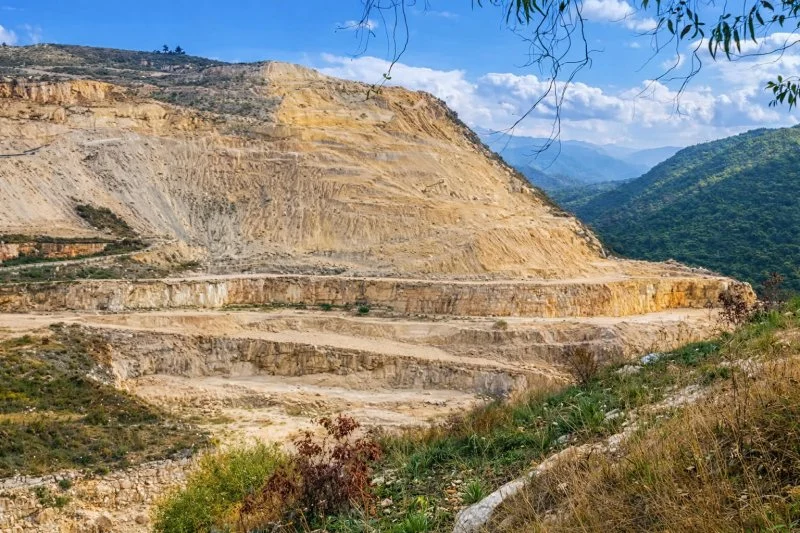
He also stressed the need for full protection of groundwater in the Al-Jaradi area, and preventing the construction of any industrial facilities on top of it, warning against harming Decree 8803 or attempting to amend it, and demanding its full implementation, especially with regard to the transfer of quarries of soil companies and other quarries and sandpits to the eastern mountain range of Lebanon, after forcing them to pay environmental pollution fees and municipal fees that they have evaded for years.
Ainati warned against granting any additional extensions or work permits to what he described as quarries that violate the law, considering that this effectively means restarting coal and petroleum furnaces and renewing what he called an “environmental and health massacre” affecting the Koura and North regions.
In a similar context, he pointed out the seriousness of ignoring the file of soil companies after the disclosure of issues related to financing terrorism and corruption, calling for not burdening the residents of the north again with the cost of closing these quarries by force, as happened previously in the case of red soil quarries.
Ainati concluded his speech by emphasizing that protecting the environment is no longer a luxury or a secondary demand, warning that the continuation of these violations may put Lebanon in an advanced global position in terms of levels of pollution and disease, if decisive measures are not taken to put an end to what he described as organized environmental and health crimes.