For the third consecutive day, protests continue in Iran amid growing popular discontent due to high prices, inflation, and deteriorating living conditions. Protesters are raising slogans calling for boycott and participation in the uprising, and interestingly, some of these slogans refer to Lebanon, highlighting the impact of these movements on the Lebanese situation.
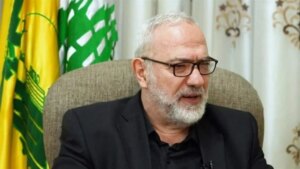
In this context, the researcher in Iranian affairs, Dr. Khaled Al-Hajj, explains in a statement to : “Through daily monitoring of the demonstrations in Iran, Lebanon clearly stands out in some of the slogans raised, especially the most prominent slogan, “Leave Lebanon and think of us.” This slogan reflects the feeling of a segment of Iranians that Lebanon has become a burden on them, and what is meant here practically is not Lebanon as a state or people, but Hezbollah, its environment, and its regional role.”
Al-Hajj adds, explaining that: “Iran today is experiencing a severe economic crisis, which is the essence of the ongoing protests. The Iranian people are suffering from a significant increase in the prices of basic goods, a sharp decline in purchasing power, and increasing living pressure. In return, some Iranians believe that money is being spent outside the country, especially in Lebanon, at a time when it should be directed to address their internal crises. From here, this anger stems from the conviction that this money is the right of Iranians, and it should not be drained outside Iran.”
However, Al-Hajj believes that: “It is still too early to talk about a direct and immediate impact on Lebanon, as any real reflection remains linked to the development of the course of the demonstrations inside Iran. If the movements remain within the economically pressing framework, their impact will not exceed the rhetorical level. But if it develops into a serious threat to the structure of the regime, it will undoubtedly have a direct test on the arenas associated with it, foremost of which is Lebanon.”
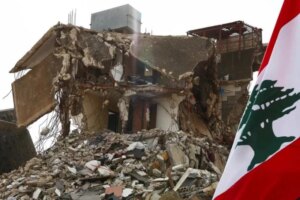
He concludes by saying: “At the same time, it is clear that the Iranians feel the weight of the economic crisis on them, while everyone realizes that Hezbollah is waiting for significant financial support in light of the requirements of war and reconstruction, and here lies the basic dilemma, as this money is no longer available as it was in the past, neither politically nor economically.”