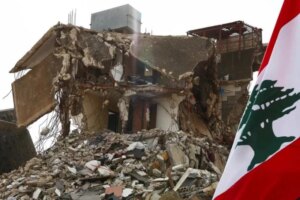
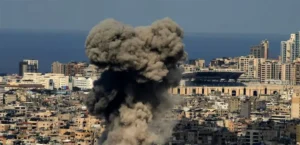
With the Lebanese army’s presentation before the Council of Ministers anticipated, the “Mechanism” meeting scheduled for January 7th gains special importance. It faces significant challenges related to the continued Israeli occupation of villages and hills south of the Litani River, and the incursion of Israeli forces into Lebanese territory. This meeting represents a turning point for evaluating the first phase of implementing previous agreements, but it is hampered by obstacles that may hinder the success of negotiations.
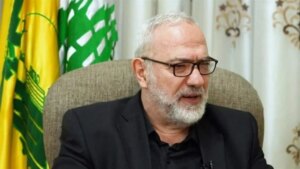
Military expert, retired Brigadier General Bahaa Halal, believes in an interview with , that the “Mechanism” path is not entirely successful. He explains that in the past, it was limited to receiving Israeli demands, then asking Lebanon to implement them. But recent events have shown a change in this mechanism from what it was.
Halal adds that two new Mechanism meetings were held after Karam’s appointment, during which the Lebanese army presented numerous observations and showed a kind of positive firmness, led by wise leadership that dealt with the file responsibly. He believes that the mechanism is currently proceeding on a diplomatic path that can be considered acceptable, but it needs further study before a final judgment can be made.
Halal raises a fundamental question about Lebanon’s goals for participating in this mechanism, and its strategic vision for its presence on the Mechanism Council as a negotiating party. He emphasizes that the Lebanese position in the negotiation differs from the Israeli position, and from the American approach that reduces the problem to a bilateral negotiation between Lebanon and Israel.
He explains that the role of the “observer” is presented as neutral, but the actual implementation is under direct American supervision, with a limited French role. This requires Lebanon to be more clear and firm in defining its interests and goals in this mechanism, especially in light of the complexities of the political and security situation.
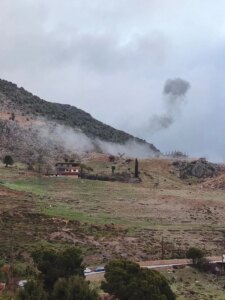
Regarding the first phase, Halal believes that the seventh of the month may be a date for the Mechanism to announce that the Lebanese army has completed the implementation of this phase south of the Litani River. However, he rules out that this announcement will pass without a clear Lebanese position if it is not accompanied by confirmation of the Israeli withdrawal. He believes that if the Mechanism does not explicitly announce Israel’s withdrawal, the Lebanese army will suspend and confirm that it has not completed the first phase, because Israel still occupies a strip extending about 120 kilometers, from Tell al-Labouneh to the Shebaa Farms, passing through Hamames, with an incursion ranging between two and three kilometers inside Lebanese territory.
He adds that in light of the occupation of about 24 villages, any announcement of “completion of the first phase” without reference to these facts will raise major questions, and the Lebanese army will inevitably point to this point.
As for the possibility of suspending Lebanon’s participation in the Mechanism if the Israeli side does not fulfill its obligations, whether withdrawal, return of prisoners, or cessation of attacks, Brigadier General Halal rules out this scenario. He points out that Lebanon has tried war and diplomacy and has not reached a decisive result, noting that the Lebanese Ministry of Foreign Affairs has only submitted one complaint to the Security Council, despite recording about 1,700 Israeli violations and the fall of more than a thousand martyrs and wounded since the ceasefire.
Halal concludes that Lebanon’s position today is the position of the compelled, and that negotiation, despite its limitations, remains the available option to achieve a minimum of stability and security in light of the current balance of power.