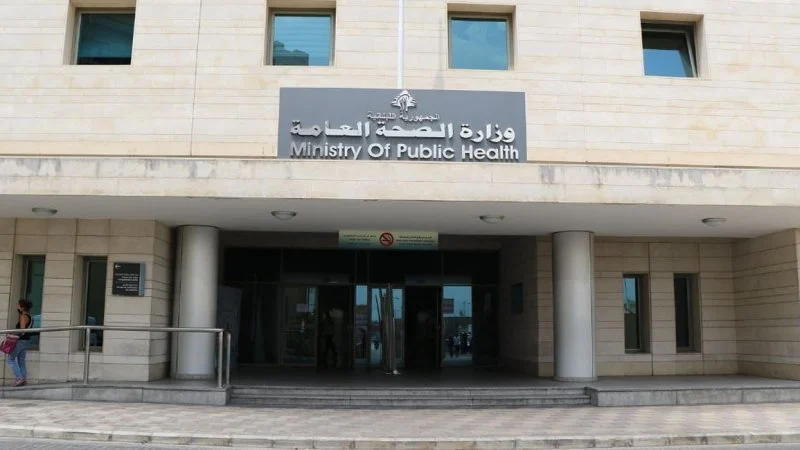
The Ministry of Public Health issued a statement regarding the ongoing monitoring of the epidemiological situation related to seasonal influenza, confirming that Lebanon, like many other countries, is currently experiencing a wave of influenza characterized by moderate severity and rapid spread among the population.
The ministry clarified that scientific data indicates that the predominant strain is influenza type “A(H3N2),” and confirmed that it is a scientifically known strain for many years, and not a new or emerging virus as rumored, but this season it is witnessing a mutation that makes it more capable of causing more severe infections and faster spread compared to some previous seasons.
The Ministry of Health stressed that the influenza virus undergoes continuous annual transformations, and some of these transformations may lead to more severe symptoms or higher rates of spread.
It pointed out that influenza is a viral respiratory disease that spreads quickly and may cause health complications in certain groups, in particular the elderly, children, pregnant women, and people with chronic diseases or weakened immunity, which calls for increased health awareness and adherence to preventive measures.
In this context, the ministry affirmed that annual vaccination against influenza is one of the most effective ways to reduce the risks of the disease and its complications, especially among the most vulnerable groups, noting that the vaccines currently available cover the prevalent strains and contribute to reducing hospitalization rates and severe cases.
The Ministry of Public Health called on citizens to adhere to a number of preventive tips, most importantly maintaining personal hygiene rules and washing hands regularly, covering the mouth and nose when coughing or sneezing, wearing a mask in closed or crowded places when respiratory symptoms appear, avoiding mixing and gatherings when feeling sick, and consulting a doctor immediately when severe or abnormal symptoms appear, in addition to receiving the annual vaccine, especially by the groups most vulnerable to complications.
The ministry concluded by emphasizing that it continues to monitor the epidemiological situation closely and takes the necessary measures in coordination with the concerned authorities, and called on citizens to obtain information from official sources only, in order to preserve public health and the safety of society.