Holidays around the world are considered an important economic opportunity, but in Lebanon, they acquire a double importance due to their vital role in supporting the collapsing national economy. Holidays stimulate a comprehensive economic cycle, starting from tourism and travel, passing through import and the buying and selling movement in local markets, reaching job opportunities that many await during these seasons.
From here, we can talk about a unique Lebanese economic model, known as the “holidays economy,” which is a model not limited to a single occasion or season, but repeated throughout the year, forming a vital outlet for the economy.
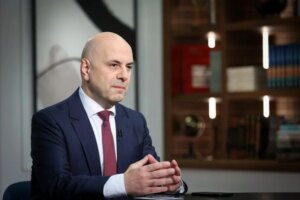
In this context, economic expert Ahmed Jaber believes, in an interview with , that holidays create significant economic activity in the country, especially since the Lebanese are accustomed to celebrating religious and non-religious occasions, which positively reflects on the tourism sector.
Jaber points out that Lebanon has witnessed an active tourist movement since the beginning of this month, with the arrival of visitors from Arab and Gulf countries, in addition to Lebanese expatriates, which has revived a number of sectors related to tourism.
He points to a significant activity in the air traffic at Rafic Hariri International Airport, where about 40 planes arrive daily, and most of the arrivals are expatriates who are keen to spend the holidays, especially Christmas and New Year’s, with their families in Lebanon.
He considers that this scene reflects the extent of the Lebanese people’s attachment to their land and people, which is reflected in the large tourism spending that contributes to moving the economic wheel and the commercial sector. He confirms that this movement usually lasts from a month to a month and a half, before being followed by a new occasion that activates the economic cycle again.
He adds that most of Lebanon’s seasons are considered tourist seasons, which calls for giving this sector the necessary attention and support, due to the additional income it provides to the state and various institutions, whether in the organized or unorganized sector.
Jaber also focuses on the importance of these occasions in providing job opportunities, even if they are seasonal, considering that the recurrence of occasions throughout the year, in spring, summer and winter, contributes to the continuation of the economic movement.
Jaber does not mind creating new occasions that contribute to raising the level of commercial activity, considering that this has become a necessity, especially after the collapse of the banking sector, which was one of the main pillars of the Lebanese economy.
In the context of his talk about alternatives, he points out that the role of expatriates in supporting the economy has declined as a result of the lack of confidence in the banking sector, which has led to a sharp decline in investments and financial transfers. From this point of view, he believes that tourism, in addition to occasions and holidays, can be a realistic alternative, provided that work is done to revive and develop it.
He also calls for strengthening religious tourism, especially after some sites have turned into shrines capable of attracting visitors, which creates additional commercial traffic in various regions.
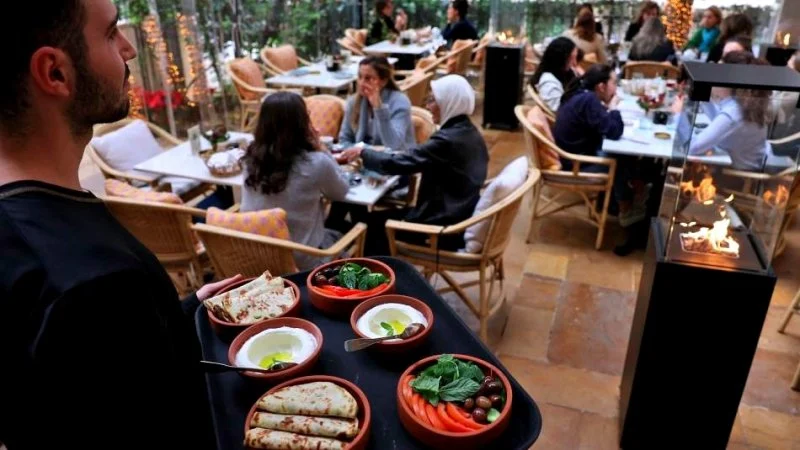
Despite the security, political and economic challenges, Jaber affirms that Lebanon still possesses multiple tourist attractions, starting from its geographical location, passing through its nature and climate, to Lebanese cuisine and the culture of hospitality, which are factors that complement each other to give positive results in this sector.