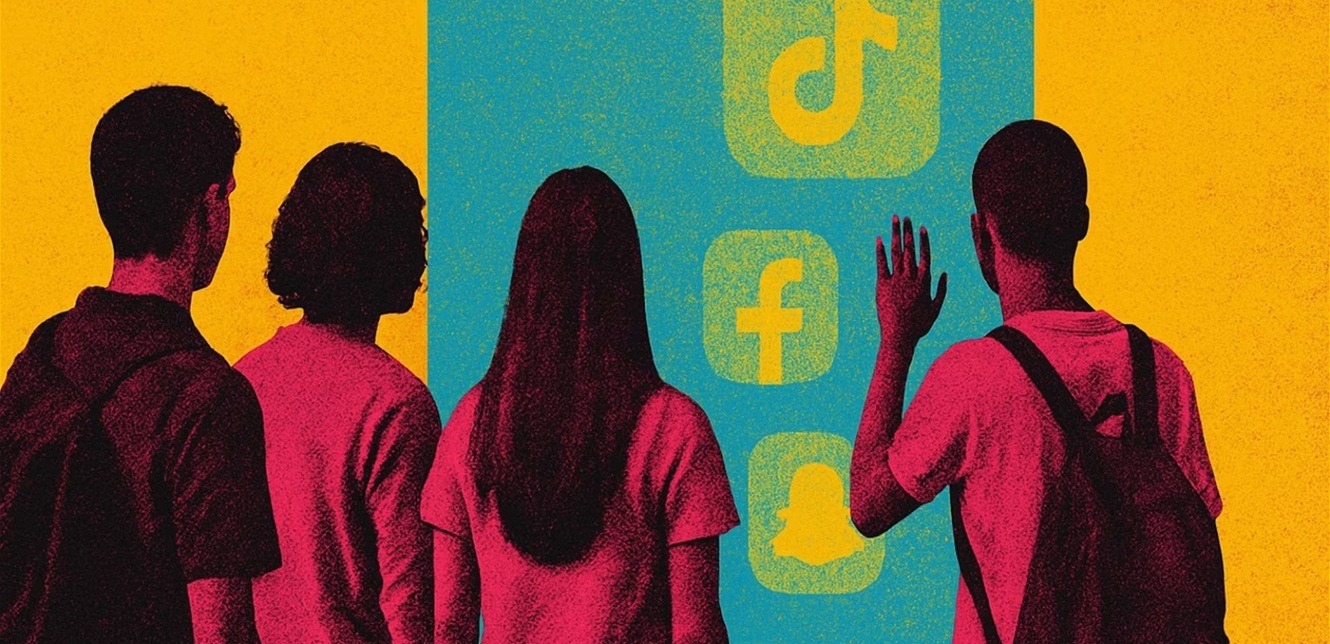
In a historic step, Australia has approved a decision to ban the use of social media networks for children under the age of 16. The government explains that this measure aims to protect minors from the platforms’ algorithms that display inappropriate content and encourage “endless scrolling” or what is known as “doomscrolling.”
This decision, which is the first of its kind on this scale, has sparked widespread global interest. Several countries have announced their intention to follow Australia’s lead, with slight adjustments to the age of the ban or the possibility of granting parents early permission. These countries include “France, Spain, Norway, and Denmark,” and the “European Parliament” has also called for similar legislation. Outside of Europe, “New Zealand, Malaysia, India, and Pakistan” are considering taking similar measures.
Diplomatic tension with the United States
The Australian decision targets ten major platforms: Kick, Threads, Facebook, Snapchat, Instagram, TikTok, X, Reddit, Twitch, and YouTube. With the exception of Kick and TikTok, all of these companies are American, which has sparked the discontent of senior executives in them, prompting them to demand that the US administration pressure Canberra.
US President “Donald Trump” has stated that his country “will not stand idly by in the face of unfair targeting of American technology companies,” considering that the Australian restrictions contradict “freedom of expression.” Observers saw this position as an attempt to protect the interests of billionaires at the expense of the well-being of children.
Recent data shows a significant deterioration in the mental health of young people since 2010, coinciding with the widespread spread of social media platforms. In Australia, a study published in The Australian Economic Review revealed that the period between 2019 and 2022 witnessed a 50% increase in psychological disorders among young people compared to the period between 2007 and 2010, in addition to a 35% increase in hospitalizations due to self-harm, and a 34% increase in suicide rates.
Globally, a study in the British Journal of Clinical Psychology indicates an increase in the percentage of depressive symptoms from 24% (2001–2010) to 37% (2011–2020).
However, the relationship between these phenomena and the use of social media platforms remains uncertain. A systematic review including 143 studies from the University of Cambridge (2024) found an association between adolescents’ use of these platforms and the emergence of internal psychological symptoms such as anxiety and depression, but it is a weak association ranging from 0.08 to 0.12, which is not enough to be considered conclusive evidence of a causal relationship.
Experts point out that users with psychological problems may interact with the platforms in a different way, which may explain part of this observed association.
Will the step be enough?
Specialists believe that the Australian legislation may contribute to improving the health of adolescents, but it also represents a rare opportunity for scientists to measure the real impact of limiting the use of networks. However, the concern lies in governments considering this step a “magic solution” and ignoring other factors that affect mental health, such as economic conditions, climate anxiety, and political pressures.
Although the results of this decision will not appear until years later, the global debate about the role of technology in the lives of young people is still ongoing, while many countries are closely monitoring the Australian experiment.