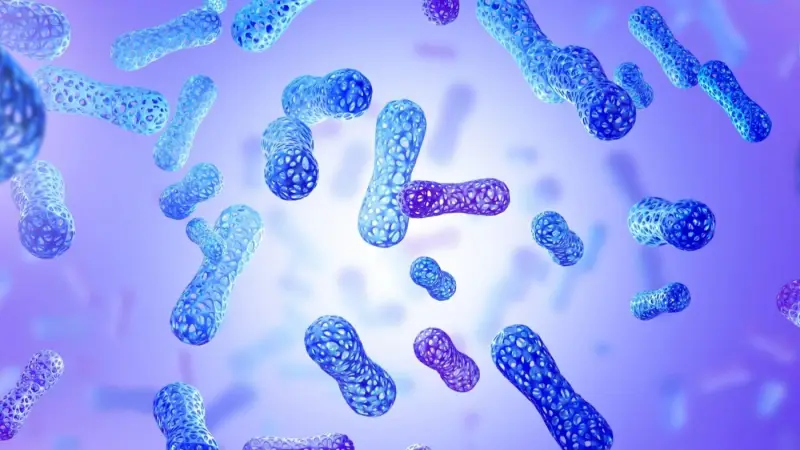
Many plant compounds remain in an inactive state until certain types of microbes convert them into forms that the body can absorb and benefit from.
## Benefiting from Food
A recent comprehensive study revealed that differences in intestinal enzymes play a crucial role in determining the extent to which each person benefits from plant nutrients, which explains the varying results for individuals who follow the same dietary pattern. Each person possesses a unique “microbiome” composition, influenced by age, dietary habits, geographical location, and health history, creating a wide variation in the body’s ability to process foods.
In chronic disease states such as “inflammatory bowel disease,” “colon cancer,” or “fatty liver,” “gut microbes” often fail to fully convert plant elements, reducing their nutritional effectiveness. Animal experiments have supported this idea, showing that anti-inflammatory foods like “strawberries” significantly improved gut health in mice with normal “microbes,” while mice without “microbes” only received limited benefits.
These findings suggest the possibility of developing new types of functional foods, based on selected “microbes” capable of converting plant compounds into active forms, in order to help people who suffer from low conversion capacity in their intestines, such as the elderly or people with low microbial diversity.
In addition, this research may lead to the adoption of personalized dietary plans, based on analyzing the “gut microbes” of each individual to determine the appropriate foods for their enzymatic capacity, which greatly enhances the benefit from a plant-based diet. This trend represents a step towards precise and effective nutrition, and opens new horizons for human health and the prevention of chronic diseases.