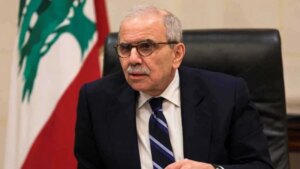
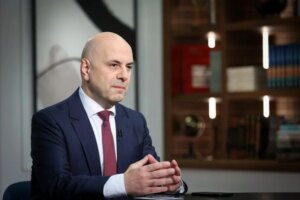
Informed sources familiar with Hezbollah’s atmosphere reveal that the appointment of Simon Karam as a civilian negotiator with the Israeli side in the “Mechanism” committee continues to raise many questions within the party, especially about the real motives behind this choice. The sources explain that Karam’s endorsement came from a prominent presidential advisor and with American approval, considering that this advisor is the main architect of the proposal that led to his appointment.
According to party sources, the matter goes beyond just names. Entering into a negotiation process through the “Mechanism,” especially with the rapid inclusion of the economic file, gives the enemy a free winning card and deprives Lebanon of the element of initiative. The sources indicate that this approach reflects a clear normalization trend that does not align with the national interest from the party’s point of view.
The sources add that the party believes that any ill-considered involvement in this path does not serve Lebanon’s interest but only serves Israel. Therefore, the party believes that “submission” to negotiations in the proposed manner will lead to completely reverse results.
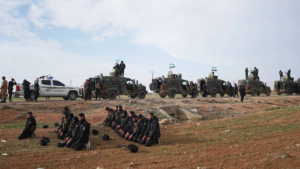
Hezbollah sources explain that their vision of the ongoing war is linked to their view of the American role in the region. The decision of war and peace, according to the party’s assessment, does not come from Tel Aviv alone, but from Washington. The sources point out that the United States realizes that a comprehensive war could be a “golden opportunity” for the party, which is why the possibility of a wide-scale war remains weak despite the media noise.
Regarding this “opportunity,” the party sources summarize the reasons in two main dimensions:
1. Any war will inevitably lead to the displacement of the northern settlements, which Israel fears greatly.
2. Israel needs two unavailable guarantees: a military resolution and the prevention of Iranian intervention. Without these two guarantees, the war becomes a costly adventure.
The sources add that the United States, caught between Israeli pressure on one hand and internal political pressure on the other, is using economic and military tools to limit the ability of Israeli Prime Minister Benjamin Netanyahu to go to a wide-scale war as Israel desires.
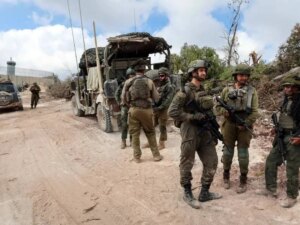
The party sources also indicate that the proposed negotiations currently completely contradict the ceasefire agreement, which stipulated Israel’s withdrawal from the occupied points within 60 days (later extended), without Israel implementing any withdrawal or ceasing hostilities. The sources believe that Lebanon’s initiative to negotiate before Israel fulfills its commitments represents a concession that threatens any future gains.
The same sources express their fear of Israel’s continuous ambitions to establish a “buffer zone” that reaches the Litani River, which is a goal that Israel has been working on for years and will not give up if field conditions allow it.
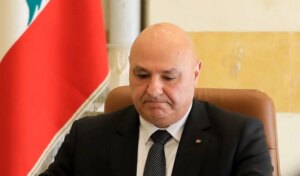
The party sources affirm that these concerns will be a key item on the agenda of upcoming discussions with officials, especially the First and Second Presidents. They indicate that the party is preparing to wage a “battle to prevent concessions,” confident of a clear position from the President of the Republic, General Joseph Aoun, and the Army Commander, who reject any clash with the party.
Internally, regarding the parliamentary elections, Hezbollah sources reveal that the party considers this entitlement difficult in the current circumstances and will not seek to advance it to its due date, to avoid any surprises that may target the “Shiite bloc” or attempt to penetrate it.