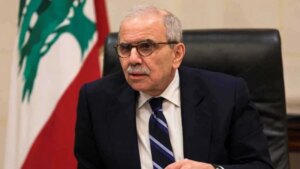
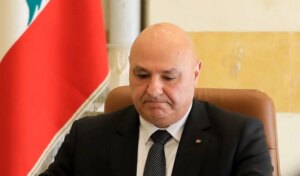
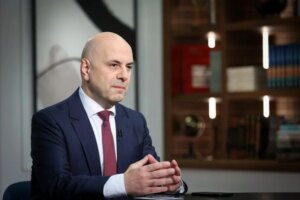
Gemayel also pointed out that the Pope’s visit to Lebanon brings this small country back into the spotlight before the international community, at a time when the Lebanese file is witnessing a decline in external attention. He stressed that preserving the existence of Christians and guaranteeing their full rights is a fundamental element of Lebanon’s identity.
In his speech, Gemayel touched on the political dimensions of the visit, considering that its timing carries messages directed to the international powers influencing the Lebanese arena, including the United States and Israel. However, he added that these messages may not be sufficient to change the strategic calculations of those countries, but rather remind them of the need to take all components of Lebanese society into account.
In a similar context, Gemayel reiterated his rejection of excluding the Shiite community after the recent events in the south, stressing that the Shiites are “an essential part of Lebanon’s future,” and that marginalizing them from national life will only strengthen their connection with Hezbollah. He affirmed that reassuring them about their full role within the state is a necessary condition for rebuilding national trust.
Regarding Iranian influence, Gemayel stated that Tehran is still committed to its role in Lebanon and rejects any new direction within the Shiite community towards a different approach to the security and weapons file, noting that recent Iranian statements confirm that Hezbollah continues to be considered part of its regional strategy.
Gemayel expressed his concern that failure to address the issue of illegal weapons could lead to a new confrontation, stressing that the solution begins with strengthening state institutions and the army exclusively, adding that any direct external intervention would represent a threat to Lebanon’s sovereignty.
Gemayel touched on the criticism directed at the President of the Republic, General Joseph Aoun, due to what is considered a slow pace in implementing the terms of the ceasefire, stressing that the President is working in extremely complex circumstances and is dealing cautiously with the weapons file to avoid internal conflict. He stressed that supporting the President and protecting his position is necessary, because any weakening of his role will open the door to external interventions that do not take into account Lebanon’s interest.
Regarding the French role, Gemayel explained that relations are going through a period of stagnation, and that Paris currently does not have a direct influence on the main parties in Lebanon, namely Iran and Israel. However, he believed that the French return to the scene is possible and promising after achieving security stability and progress in the disarmament process, especially with regard to rebuilding economic institutions and infrastructure.