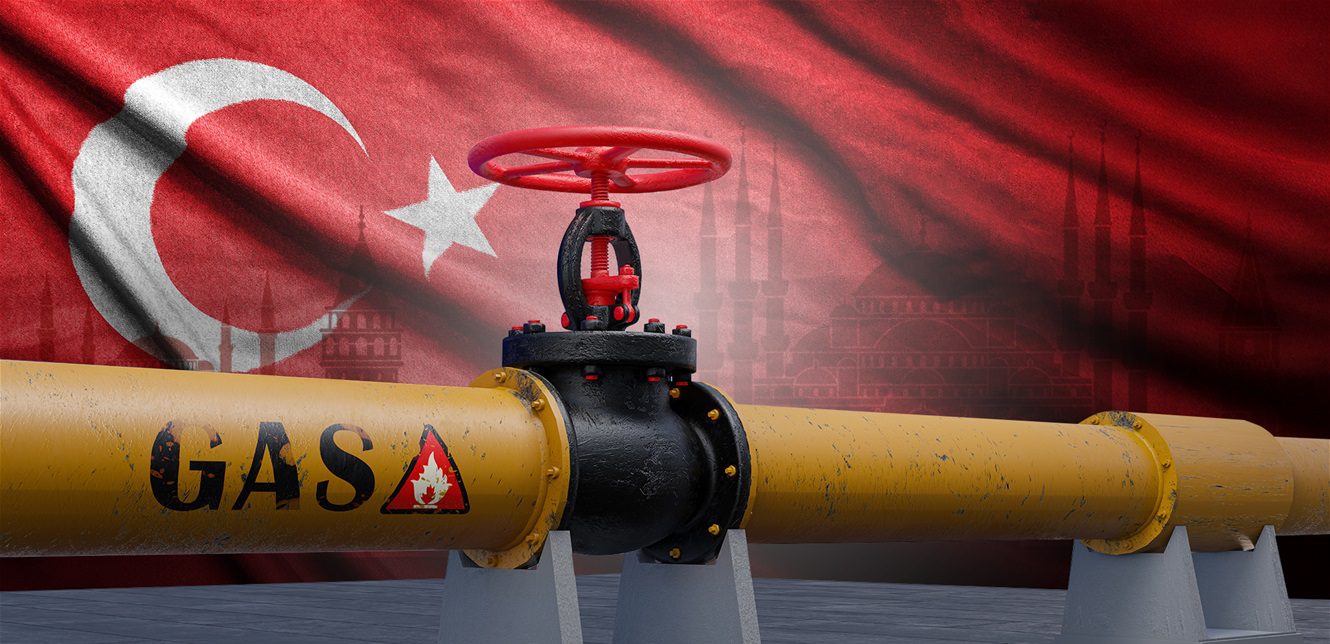
In a related context, Turkish Energy Minister Alparslan Bayraktar stated on the sidelines of the World LNG Summit in Istanbul that the Turkish Petroleum Corporation is in talks with giant companies such as Chevron and ExxonMobil, in addition to other prominent American companies. The aim of these talks is to acquire stakes in upstream assets, which is part of a broader Turkish plan to expand in the LNG sector. He pointed out that official announcements of these investments may be issued soon, perhaps at the beginning of next month.
This plan represents a qualitative addition to the growing Turkish-American relations, as the United States has become a major source of long-term gas supplies to Ankara. Through this step, Turkey seeks to secure the necessary fuel sources to meet the needs of its large economy, estimated at about $1.4 trillion, in addition to diversifying energy sources away from dependence on Russia and Azerbaijan.
Turkey has already concluded agreements with companies such as Mercuria Energy Group and Woodside Energy Group Ltd to supply LNG, and most of these supplies come from plants in the United States. Turkey also approved this week 10-year contracts with Eni and the German SEFE.
Since late 2024, Turkey has signed long-term agreements to obtain 150 billion cubic meters of LNG, with most deliveries scheduled to begin between 2027 and 2030.
“More competitive”
Bayraktar affirmed that US LNG has become “more competitive” compared to gas obtained via pipelines from Russia and Iran.
Data compiled by Bloomberg indicate that Turkey has imported about 5.2 million tons of LNG so far this year, compared to 3.98 million tons for the entire year 2024. This additional supply gives Turkish companies an opportunity to boost gas trading in order to maximize profits.
Bayraktar explained that Turkey expects to receive about 1,500 shipments of LNG over the next ten to fifteen years, with most of these shipments linked to US Henry Hub gas prices.
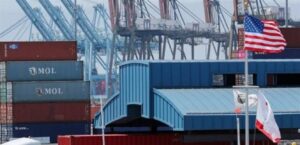
The United States has become the fourth largest gas supplier to Turkey this year, with a share of 5.5 billion cubic meters, which represents 14% of total imports.
Egypt and Morocco
In order to absorb the increase in imports, Turkey plans to add two new floating storage and regasification units, which will raise the number of these units in its fleet to 5.
Ankara intends to send one of these units to Egypt during the summer months to help cover the seasonal gas shortage in Cairo. It is also in talks with other countries, including Morocco, to conclude similar arrangements.
Bayraktar added that Turkey is capable of doubling its annual gas transmission capacity to Bulgaria to 7-10 billion cubic meters, taking into account the minor improvements that can be made from the Bulgarian side. This could provide additional quantities to Southeast Europe, and perhaps to Ukraine.
Turkey, a member of the North Atlantic Treaty Organization, aspires to become a gas trading hub, and is striving to diversify its traditional pipeline-dependent supply sources.
(Bloomberg + Reuters)