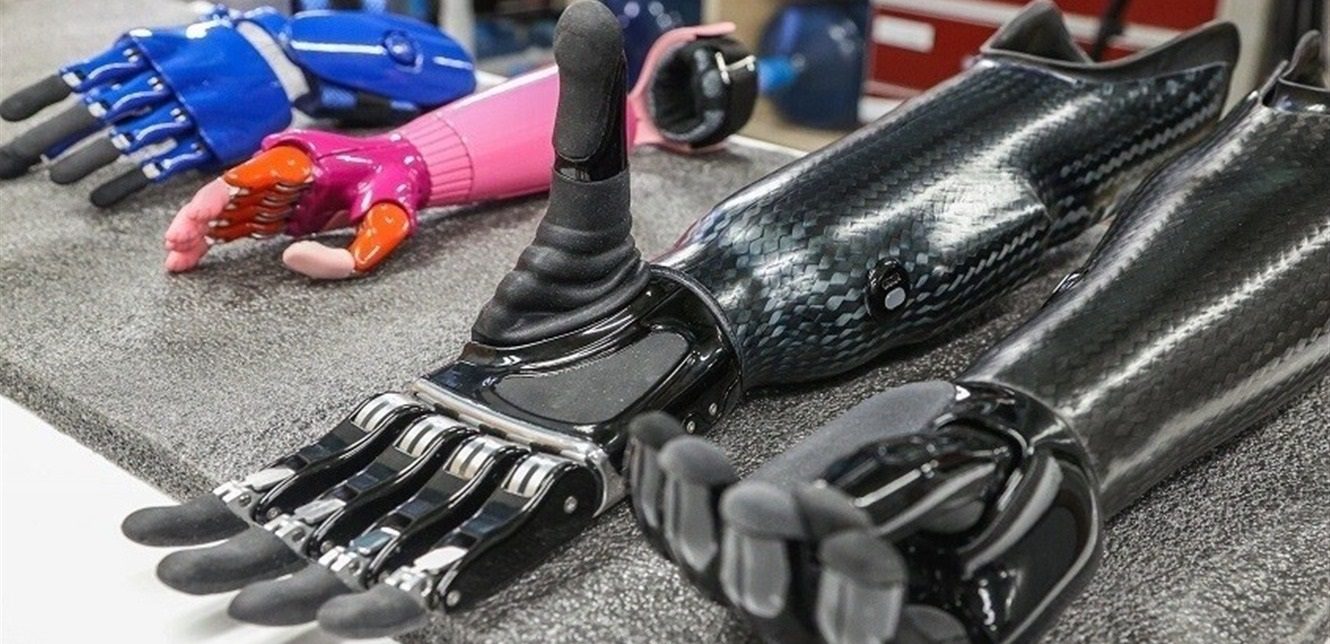
This alloy is based on the “shape memory” property found in some metals, and its surface has been coated with a protective glass layer. Tests have shown that the new material has a strength seven times greater than traditional materials, in addition to its high resistance to corrosion, making it ideal for producing long-lasting prosthetics, such as knee joints.
Researchers emphasize that this discovery will contribute to improving the lives of tens of thousands of people in need, as traditional prosthetics need to be replaced approximately every ten years, while the new prosthetics will have a much longer lifespan. In addition to its uses in the manufacture of prosthetics, this material has broad potential in other fields. In maxillofacial surgery, a similar type of this alloy, known as “titanium nickelide,” is currently being used.
Researcher Marina Ostapenko, an associate professor at the university, explains: “This material is used in the manufacture of medical stents, where the shape memory property is clearly evident. The expansion process is carried out by cooling the stent and forming it into a tube before inserting it through the artery to the heart, to automatically expand with increasing temperature. This is the basic mechanism of shape memory in metals.”
The researchers also explain that the uses of this alloy go beyond the medical field, as it can also be used in the development of robots, including robots specialized in surgical operations.