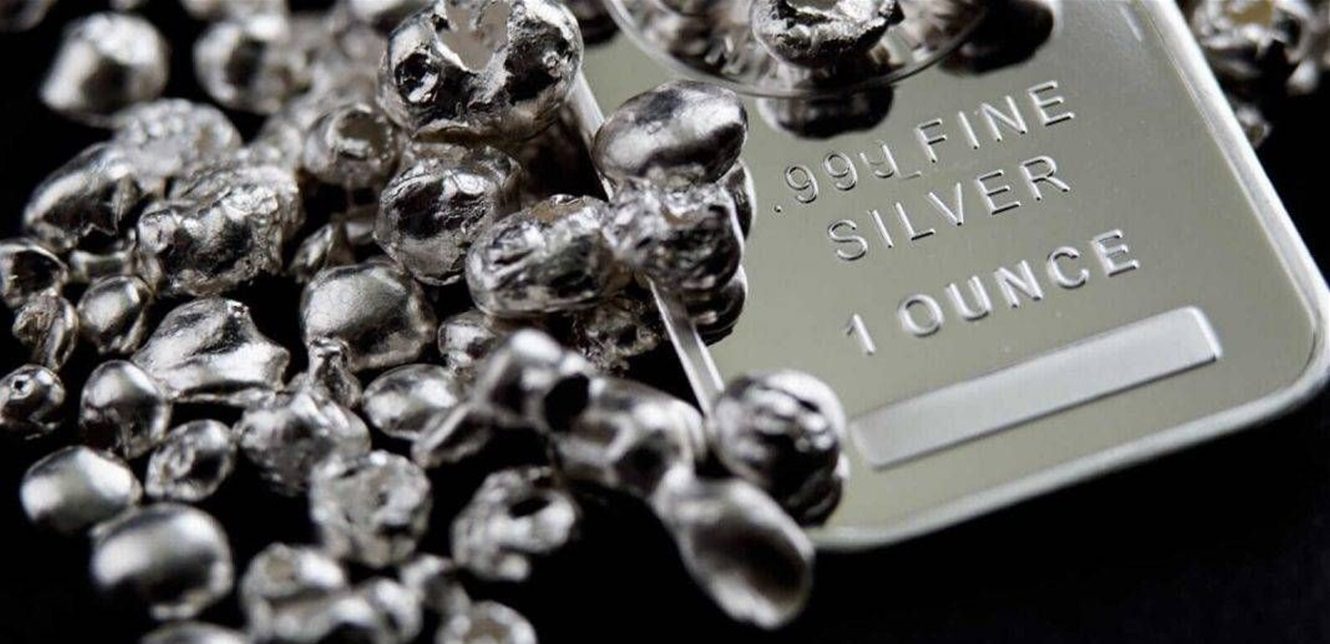
Inventories in warehouses linked to the Shanghai Futures Exchange have fallen to their lowest level since 2015, coinciding with a drop in trading volumes on the Shanghai Gold Exchange to a level not seen in more than nine years, according to exchange data and broker reports.
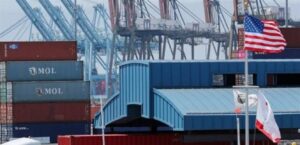
This decline came after China’s silver exports recorded more than 660 tons in October, the highest monthly level ever, in a year that has seen significant disruptions in the silver market.
Bloomberg quoted Zigi Wu, an analyst at Jinrui Futures, as saying that the shortage is due to the flow of exports to London, expecting this shortage to decrease in the next two months.
Silver has had a turbulent year after its prices jumped by about 80%, recording a series of increases in conjunction with the rise in gold, as traders bet on the possibility of the US President Donald Trump’s administration imposing tariffs on the cheaper metal.
This possibility led to large quantities of silver being drawn into the US market, tightening the noose on the London market at a time when Indian demand was witnessing a historic boom, increasing pressure on this vital metal.
With Chinese holdings shrinking, Beijing’s ability to provide rapid support to the market is diminishing. Daniel Ghali, a commodities strategist at TD Securities, warned that the imposition of US tariffs would keep silver flowing into the United States within the US market itself, which could deepen the global imbalance, especially if Shanghai markets remain affected by the latest wave of support they provided to London.
The decline in inventories has led to a rise in spot silver prices above futures contracts in Shanghai, a pattern known as “Backwardation” and is considered an indicator of short-term pressure resulting from a shortage of supply.
Concerns remain in light of declining inventories and weak global supply flexibility, according to Wu from Jinrui Futures.
On the demand side, China’s consumption of silver has increased in photovoltaic energy components, which is one of the most prominent industrial uses of the metal. Wu pointed out that the last quarter usually represents the peak season for installing solar systems.
Some retailers in China have also turned to buying silver after new rules abolished a long-standing tax discount on certain types of gold sold outside the stock exchange.
(Bloomberg)