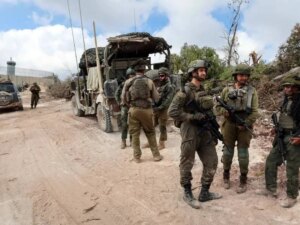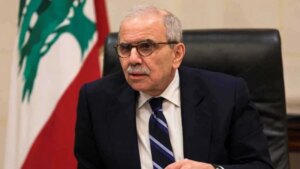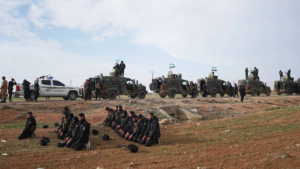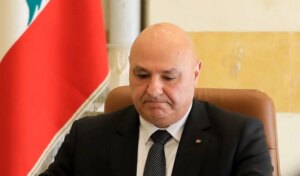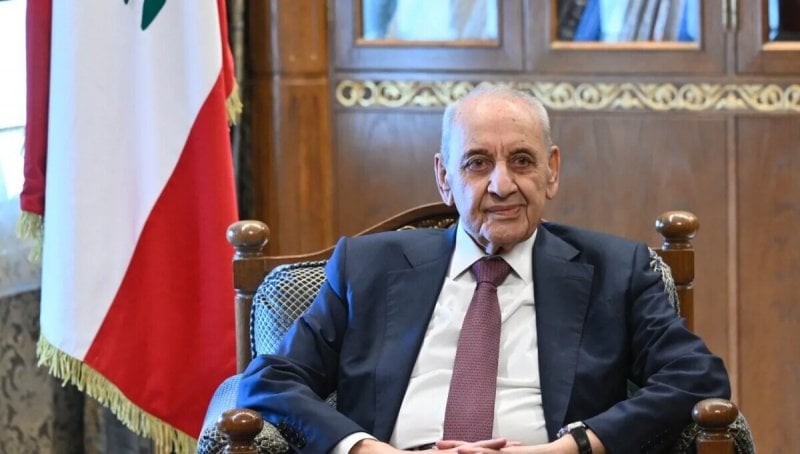
In an interview with “Al-Joumhouria” newspaper, Berri pointed out that the nature of this attack indicates the possibility of escalating the pace of Israeli attacks and their expansion in the coming period, without any serious intervention to limit this by the “Mechanism” committee, which – in his words – is concerned with monitoring the Lebanese army and ignores the Israeli army’s violations of the cessation of hostilities agreement. Berri warned that Israel is exploiting the fragile internal situation to continue its attacks and play on Lebanese divisions to serve its interests, expressing surprise at what was issued by the head of the “Lebanese Forces” party, Samir Geagea, commenting on the recent attack, “at a time when we are in dire need of unity.”
He stressed that internal unity remains the most important and strongest weapon in the face of the Israeli danger.
Berri pointed out that there are parties at home and abroad who are “angry at the army” because it took the correct position, as he said, by refusing to slide into a confrontation with the sons of the nation, considering that some are inciting against the military institution and its commander because of this national choice. Regarding the Egyptian initiative, he said that everyone is waiting for what the Egyptian Foreign Minister will bring during his visit to Beirut next Wednesday.
Regarding the disputes over the parliamentary election law, Berri affirmed that “the current law is the one that will be implemented,” and considered that giving the project of law submitted by the government the characteristic of urgency is “a described scandal,” because the election law is one of the constitutional laws that cannot have the concept of urgency applied to it, but rather requires sufficient time and in-depth discussion because it relates to the re-formation of authority.
He explained that urgency applies to one article, while the government’s project includes many articles, which calls for referring it to a parliamentary committee or joint committees for study.
When asked if he was afraid of democracy as Geagea said, he replied sarcastically: “What do you want… my heart is torn.” He pointed out that the 152,000 expatriates registered to vote are, according to the current law, within the 16th district allocated to the diaspora, adding: “And whoever among them or other expatriates wishes to come to Lebanon to cast their votes, they are welcome.”