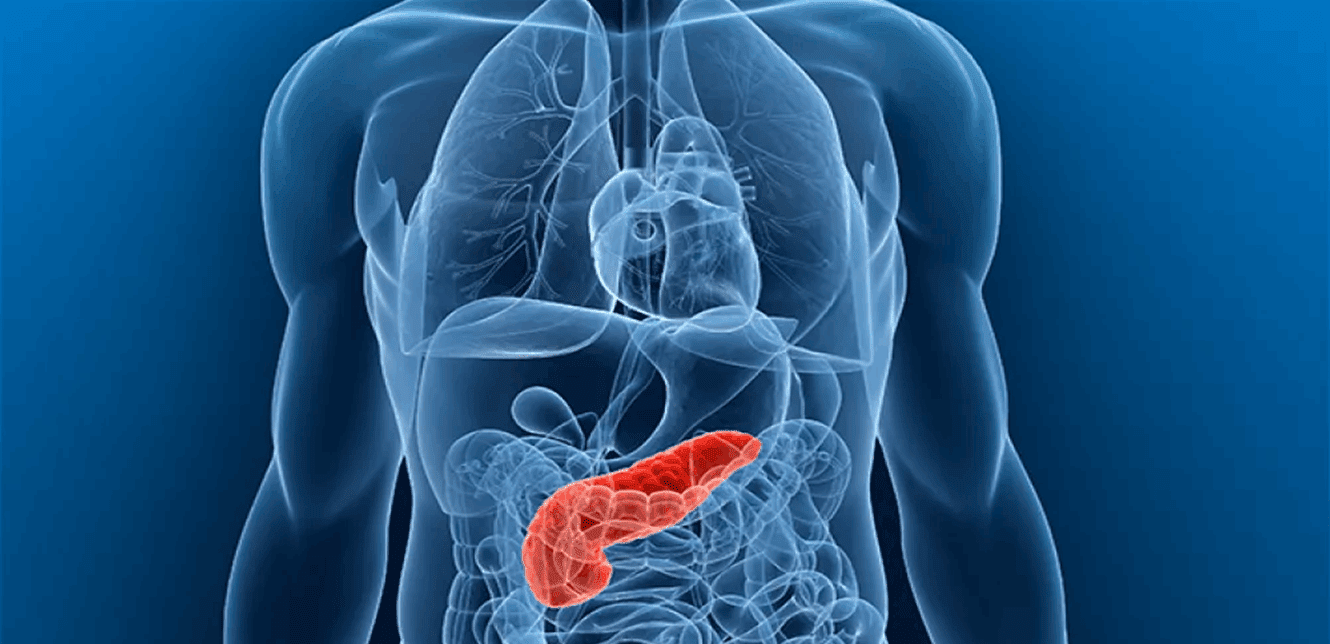
The danger of this disease also lies in the difficulty of detecting it through examinations, as it is difficult to detect small tumors even with CT scans, due to the pancreas’ deep location inside the body. Despite the expertise of radiologists, they may not be able to notice small or atypical tumors, which prompted a team of researchers to try to explore the possibility of using artificial intelligence to improve the accuracy of early detection of this cancer.
The team, led by AI expert Hinkjan Huisman and radiologist John Hermans, prepared a high-quality, confidential set of CT scan images of approximately 400 patients, which were carefully reviewed by international experts. Developers from around the world were then invited to submit artificial intelligence models capable of detecting pancreatic cancer in these images, and more than 250 models participated in this challenge, and their results were compared to the performance of radiologists.
The results showed that the best AI models were more accurate than the average performance of doctors, correctly identifying cancer in 92% of scans, while the success rate for the average radiologist was 88%, with a 38% reduction in false alarms. These models are seen as a supportive “second eye” for doctors, helping them reduce errors caused by daily work pressure, and not as a replacement for them.
The researchers expect these technologies to contribute to the detection of pancreatic cancer at an early stage, which increases the chances of successful surgery and other treatments. However, they also emphasize the need for caution, because false positive results may cause patient anxiety and increase pressure on health systems. Therefore, work continues on training and testing the models before introducing them for widespread clinical use.
In conclusion, artificial intelligence does not offer a magic solution, but it opens a door of hope in a field that has long been shrouded in mystery; every improvement in the accuracy of early detection of pancreatic cancer can make a real difference in patients’ lives.