The European proposal reaffirmed Ukraine’s sovereignty and called for a comprehensive non-aggression agreement between Russia and Ukraine and NATO, including the settlement of outstanding issues from the past three decades. It also clarified that the third point of the U.S. plan, which stipulated the expectation that Russia would not undertake any new invasion and that the alliance would not expand, had been removed. Following the signing of the peace agreement, the Europeans propose a direct dialogue between Moscow and the alliance to address security concerns and create a calming environment, enabling future economic opportunities.
The text emphasizes granting Ukraine strong security guarantees, and that the number of its army soldiers in peacetime should not exceed 800,000, while emphasizing that its accession to the alliance depends on internal consensus, which is not currently available. According to the proposal, the alliance agrees not to permanently deploy its forces in Ukraine, with its fighter jets stationed in Poland. The United States commits to providing guarantees similar to Article 5, provided it receives compensation and does not bear responsibility for any guarantees if Ukraine initiates an attack on Russia, with global sanctions being reimposed in the event that Moscow launches any new attack and withdrawing any recognition of territories it may seize.
The proposal indicates that Ukraine will be eligible for membership in the European Union and will receive preferential status for access to European markets in the short term. It also includes a global development package that includes the establishment of a fund to invest in high-growth sectors, a U.S.-Ukrainian partnership to rehabilitate gas infrastructure, as well as plans to redevelop war-affected areas, modernize infrastructure, and invest in minerals and natural resources, with special financial support from the World Bank.
As for Russia, the proposal stipulates its gradual integration into the global economy by considering the gradual easing of sanctions, and concluding a long-term economic cooperation agreement with the United States in the fields of energy, natural resources, infrastructure, technology, artificial intelligence, rare minerals, and joint projects in the Arctic, in addition to inviting it to return to the “G8.” The text stresses the need to fully compensate Ukraine financially for war damages through frozen Russian assets, and to establish a joint task force between the United States, Ukraine, Russia, and European partners to ensure the implementation of the agreement.
The proposal obliges Russia to include a policy of non-aggression towards Europe and Ukraine in its internal laws, and also calls on Moscow and Washington to extend nuclear arms reduction treaties, in exchange for Ukraine’s agreement to remain a non-nuclear state. It also includes restarting the Zaporizhzhia nuclear power plant under the supervision of the International Atomic Energy Agency and sharing its production between Russia and Ukraine, and Kyiv’s adoption of European Union rules regarding religious tolerance and protection of linguistic minorities.
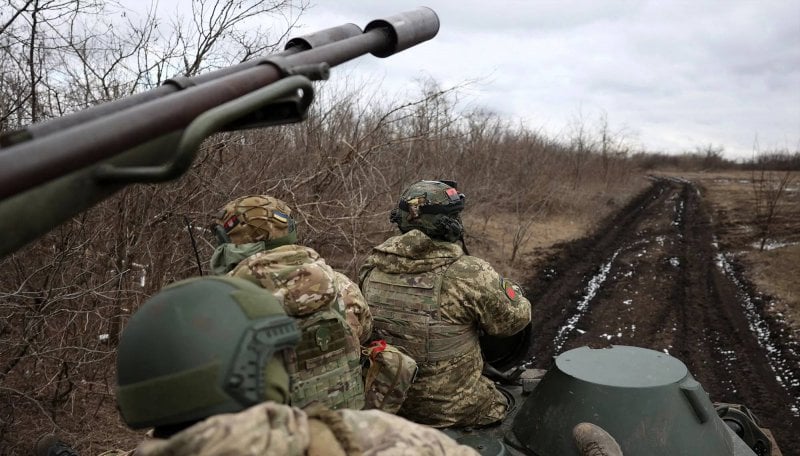
The proposal addresses the issue of territories, where Ukraine commits not to restore its occupied territories by military force, and that negotiations on land swaps begin from the “line of contact.” Moscow and Kyiv pledge not to change any future arrangements by force, while emphasizing that no security guarantees apply if this obligation is violated. It also stipulates that Russia should not obstruct Ukraine’s commercial use of the Dnieper River and that an agreement be reached on the freedom of passage of grain shipments through the Black Sea.
The text also includes the establishment of a humanitarian committee to exchange prisoners and bodies according to the “all for all” principle, the return of civilian detainees, including children, the adoption of a family reunification program, and special provisions to address the suffering of war victims. It also calls on Ukraine to hold elections as soon as possible after the signing of the peace agreement, with the addition of new clauses to address the effects of the humanitarian conflict.
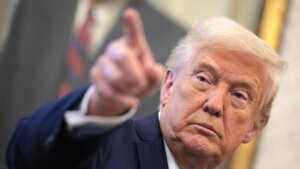
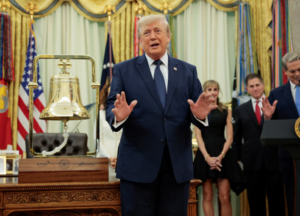
The proposal indicates that the agreement will be legally binding and under the supervision of a “peace council” headed by U.S. President “Donald Trump,” with sanctions to be imposed in the event of any violation. Once all parties agree to the memorandum, the ceasefire comes into effect, and the two parties withdraw to the agreed points, with the United States overseeing monitoring mechanisms and the implementation of field arrangements.