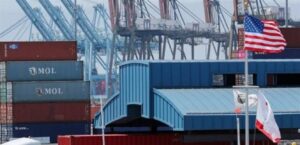
The Wall Street Journal reported that the company has already begun replacing Chinese suppliers with others from different regions, as part of a process that began with the COVID-19 pandemic and accelerated with the imposition of strict U.S. tariffs.
Observers believe that this shift was expected, especially after logistical constraints disrupted Chinese supply chains, in addition to escalating trade tensions that included restrictions on chip exports. Although China remains the largest producer of LFP batteries and essential materials for electric vehicles, political and economic pressures have pushed Tesla to build an alternative supply network.
As part of this strategy, the company has encouraged a number of its suppliers to move production lines to Mexico and Southeast Asia, while phasing out Chinese components in the U.S. market. Tesla has begun producing LFP batteries locally at its Nevada facility, with plans to expand in early 2026, after discontinuing the use of Chinese batteries due to tariffs and the absence of tax exemptions.
This shift represents part of a broader trend of reshaping supply chains in the electric vehicle sector within the United States, as companies seek to reduce geopolitical risks and enhance industrial independence. However, the biggest challenge lies in rebuilding battery and chip production, a path that requires huge investments without negatively impacting the final cost or delivery schedule.
In light of the heated trade race between America and China, Tesla is betting on this shift to present a new model for the electric vehicle industry, based on gradually moving away from the traditional reliance on Chinese components.
(Wall Street)