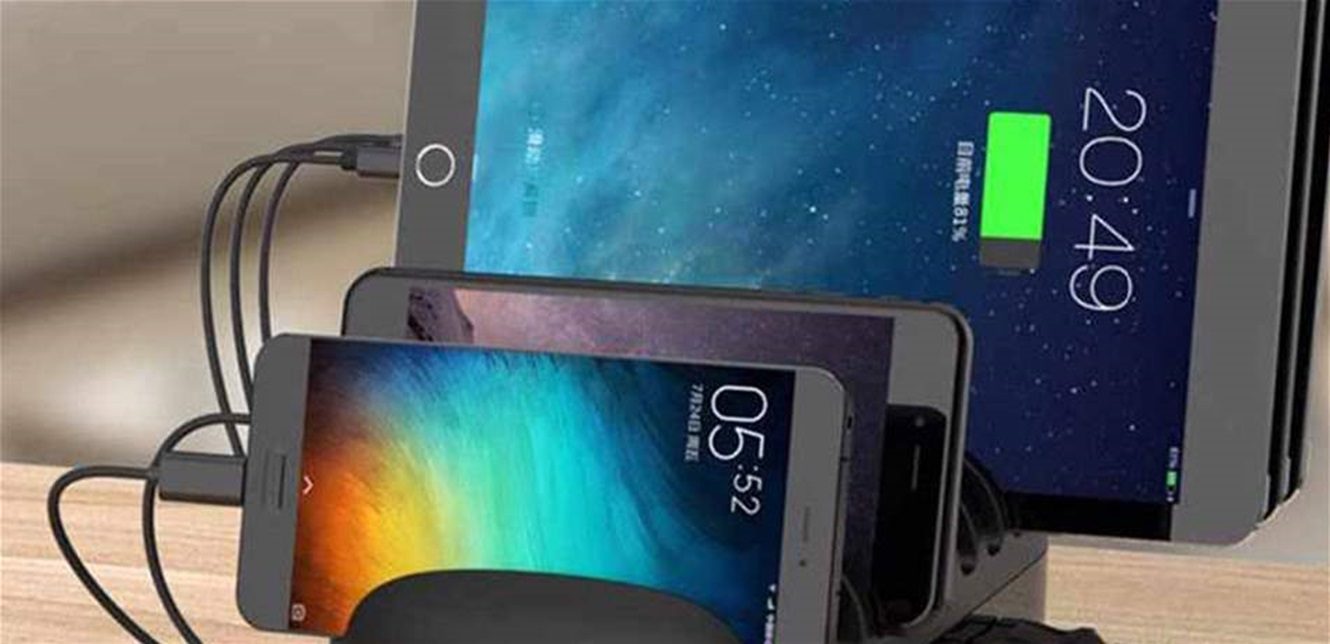
Despite the ease of this solution, it carries significant risks that threaten the security of the phone and its data. The danger is not limited to battery damage or loss, but may extend to exposure to cyber attacks and malware targeting your privacy. Therefore, it is necessary to be aware of these risks and follow safe ways to charge the phone while on the go.
Among the most prominent risks that threaten data and personal security:
1 – The risk of “Juice Jacking”:
This term describes attacks in which attackers steal data or install malware on the phone when using a public charger or public USB. Once the phone is connected to a cable in a public charging station, hackers can access phone files, messages, photos, and even passwords.
2 – Malware and viruses:
Some public charging stations may be pre-configured to inject malware into the phone upon connection. These programs can cause the theft of personal data, spy on calls and messages, and finally install hidden applications that are later exploited.
3 – The risk of unstable electricity:
Public chargers sometimes have unstable electricity, which may lead to long-term battery damage, overheating of the phone, or damage to it.
4 – The risk of physical theft:
While a person is busy charging their phone, they may neglect to monitor it, making the phone vulnerable to theft or extortion.
Protection methods when necessary:
* Use a personal USB cable with a power adapter and not via direct USB.
* Activate the “Charge Only” option when connecting the phone to USB.
* Carry a power bank to charge the phone safely while on the go.
* Always update the phone’s system to reduce security vulnerabilities.
* Avoid public chargers as much as possible, especially in crowded places.