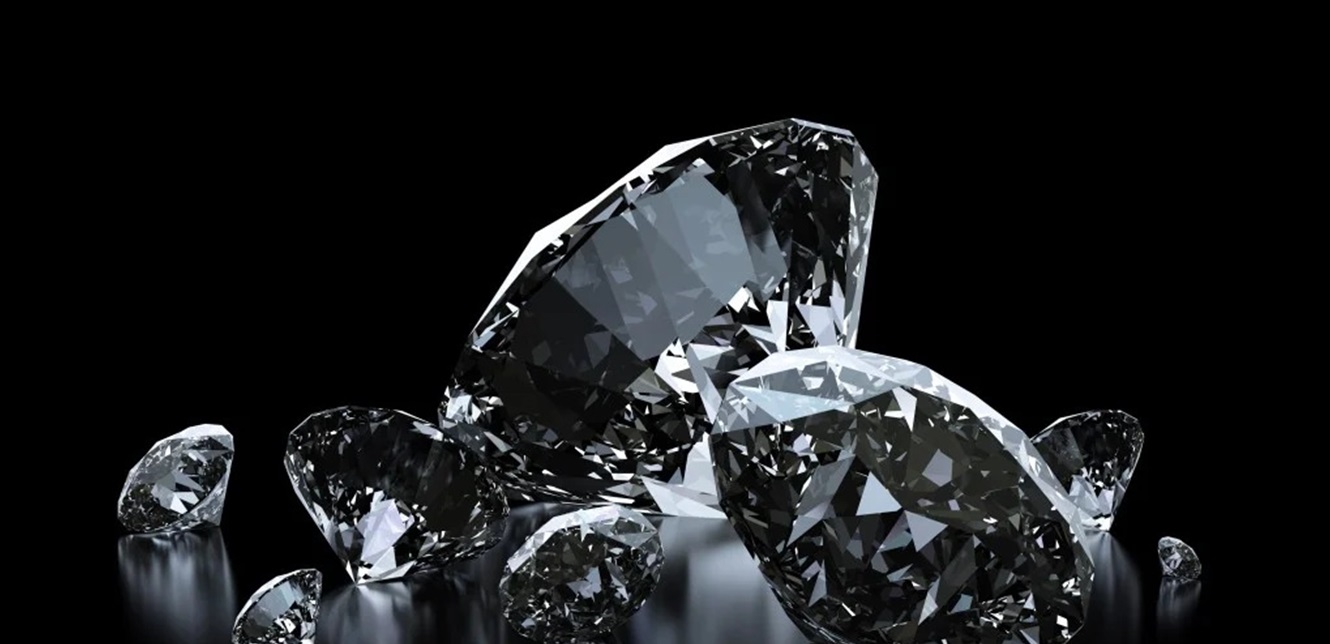
This change has had repercussions on the global market balances, after China was able to produce diamonds inside its laboratories in a matter of days, using technologies based on high pressure and heat or chemical vapor deposition, which enabled it to provide large quantities and with consistent quality.
Estimates indicate that Henan Province has become a center for this expansion, producing about 95% of the world’s supply of lab-grown diamonds alone. Chinese reports indicate that factories there produce more than 20 million diamonds per week, through production lines supported by government funding and advanced technologies. This widespread proliferation has prompted major diamond companies around the world to change their strategies; After years of trying to limit the entry of lab-grown diamonds into the market, major brands, such as “De Beers,” have moved to launch their own lab-grown diamond lines such as “Lightbox,” in an attempt to maintain the status of natural diamonds as a luxury and rare product, and to present lab-grown diamonds as an alternative for daily use or as a youth fashion.
Economic data shows that the size of the lab-grown diamond market reached about $24 billion in 2022, with expectations of reaching $60 billion by 2032, with a growth rate of nearly 10% annually. The fashion and jewelry sector is one of the most prominent beneficiaries, accounting for more than two-thirds of revenues.
Indicators also point to a decrease in natural diamond prices by about 40% since 2023, as a result of the decline in demand in Asian markets in favor of the lab-grown product, which has changed the rules of luxury, scarcity and investment in this sector, and transformed diamonds from an exclusive commodity into a product available to the younger generation in their fashions and daily uses.