In a video clip that circulated from his participation in the “Manama Dialogue 2025” session in Bahrain, “Burgum” indicated that dialogue with Riyadh is still ongoing, predicting “a lot of activity” until the scheduled visit on November 18.
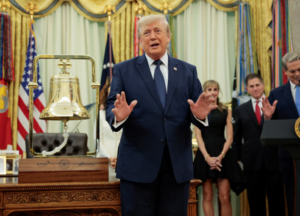
The U.S. Secretary also expressed optimism about important announcements and the possibility of an agreement being reached during the Saudi Crown Prince’s meeting with U.S. President “Donald Trump” after the anticipated talks conclude.
This move comes after the announcement of a joint defense agreement between Saudi Arabia and Pakistan, raising questions about the possibility of transferring nuclear technology from Islamabad to Riyadh.
According to the official Saudi Press Agency, the agreement aims to develop defense cooperation and enhance joint deterrence, stipulating that any aggression against one of the two countries is considered an aggression against both, based on a long historical partnership and ties of brotherhood and Islamic solidarity.
Despite emphasizing the peaceful nature of the nuclear agreement between Riyadh and Washington, the project faces complex political, technical, and security challenges that may affect its progress.
First: Uranium enrichment. It has not been determined whether Washington will allow Saudi Arabia to engage in these activities within its territory, as the U.S. administration fears that enrichment will be exploited for non-peaceful purposes, while Riyadh considers it a sovereign right to achieve self-sufficiency in nuclear energy.
Second: International guarantees. Nuclear cooperation requires full commitment to the standards of the International Atomic Energy Agency and the signing of additional protocols allowing for comprehensive inspections to ensure transparency and remove any doubts about future intentions.
Third: Regional concerns. Some fear that the project will contribute to launching a nuclear arms race in the Middle East, especially with tensions with Iran, and the possibility of other countries seeking to develop similar nuclear programs.
While Washington affirms that nuclear cooperation with Saudi Arabia aims to support the peaceful development of energy, security and political concerns remain strong, making this file one of the most sensitive issues in Saudi-American relations.