Elections on schedule, expatriate voting suspended, negotiations with Israel ongoing, and priority given to stopping the war.
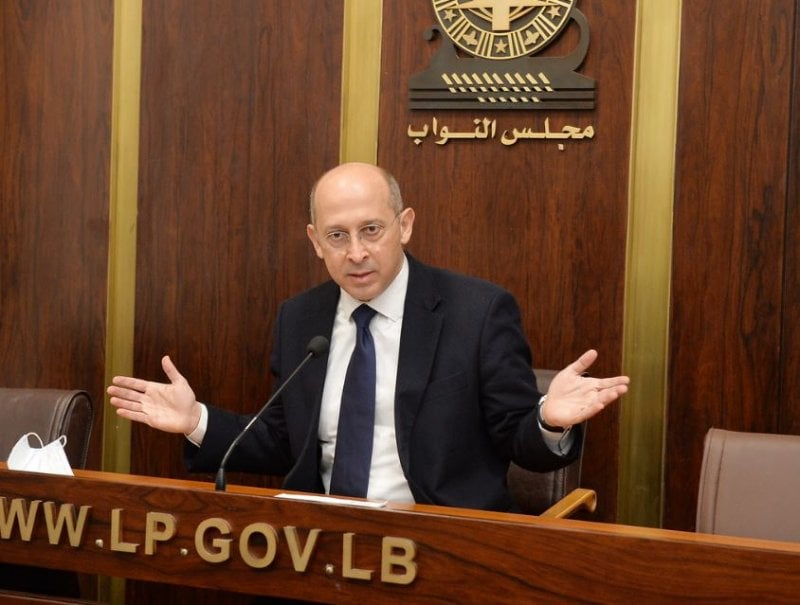
General trends indicate that parliamentary elections will be held on schedule, despite some voices questioning this, and perhaps some having intentions to postpone them.
It is necessary for institutions to continue operating as they began at the start of the new era, and for fundamental entitlements such as elections not to be compromised. It is self-evident that elections should be held according to the current law, if no agreement is reached on a new electoral law, unless there is a substantial reason for amendment.
There is still no agreement on the expatriate voting formula, especially the articles related to electing six deputies allocated to them. The government’s position is unclear and indecisive, making the participation of expatriates in the elections uncertain.
Negotiations with Israel have been taking place since the beginning of the war, and initially led to a ceasefire that did not last long. Therefore, the idea of negotiation must be completed to reach a new agreement that begins with a cessation of military operations.
Lebanon previously approved the Arab Peace Initiative at the Beirut Summit in 2002, which includes a set of demands starting with the establishment of a Palestinian state. With the Palestinians entering a path to a solution through a ceasefire agreement, the second priority should be to stop the war in Lebanon and start discussing other tracks, focusing on returning to a state of non-war and securing Lebanon’s vital demands.
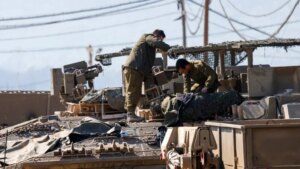
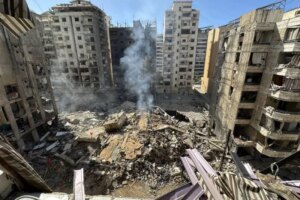
The security situation is witnessing an escalation in Israeli attacks, indicating an Israeli determination to continue the war through increased strikes until its objectives are achieved. This represents a major challenge for Lebanon, which cannot confront militarily, and has not yet been able to stop the escalation through the diplomatic track due to the incomplete terms of the agreement.
source: 961 today