Norwegian Foreign Minister Espen Barth Eide announced that his country rejects Israeli policy and the systematic destruction in the south, stressing Norway’s continued support for Lebanon’s stability and its standing by its side.
Ide said: “We are against Israeli policy and the systematic destruction in the south, and we Norwegians support the stability of Lebanon and stand by it.”
He indicated that he took note of the needs presented by the heads of municipal unions, appreciating the increasing pressures they face, especially in light of the crises and the accompanying displacement of people from their villages.
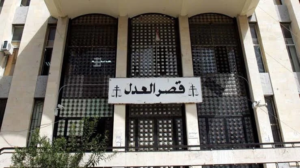
Ed’s positions came during an expanded meeting held at the Sidon Governmental Palace with the heads of the municipal unions of Nabatieh, Tyre, Sidon and Jezzine, at the invitation of the Governor of the South, Mansour Daou, and in his presence, along with the Norwegian Ambassador to Lebanon, Hilde Harald Stade, and the representative of the United Nations High Commissioner for Refugees, Carolina Lindholm-Belling.
The heads of the unions presented the reality of the municipalities in the southern villages and towns that fall within the scope of their responsibilities, their suffering and the urgent needs they face to perform their role towards citizens, both residents and displaced people, as a result of what they described as genocide carried out by the Israeli army against humans and stones, with the aim of erasing the history and culture of entire societies.
They also presented the extent of the destruction caused by the Israeli attacks in various official sectors, from the demolition of municipal buildings, government hospitals, and schools, to the demolition of commercial establishments, shops, and homes in entire villages, which led to damage to the infrastructure, especially electricity and water networks, and a decline in logistical capabilities.
The heads of the federations stressed that their capabilities remain meager in the face of the horror of the tragedy, and they hope that the Norwegian state will support them and provide them with various means of assistance to advance their societies and support their steadfastness.
Before the start of the meeting, Governor Daou, Minister Ide, Ambassador Setad, and those present moved to the Disaster and Crisis Management Operations Room in the South Governorate, where they were briefed by its official, Salam Badr al-Din, on the progress of the response operations carried out by the room at various levels, to meet the needs of those displaced from the border and rear villages as a result of the Israeli attacks.
The delegation also listened to an explanation about the available capabilities and the difficulties the chamber faces in its work, in light of the severe shortage of aid.
Governor Daou began the meeting by welcoming Minister Ide, and said: “This visit constitutes a great honor for us in the South Governorate, and it comes at a difficult and delicate stage for us.”
Daou appreciated the Norwegian interest, considering that it represented an opportunity to learn directly about the reality of southern communities and their needs. He also expressed his gratitude for the Norwegian state’s continued support for Lebanon, which stems from its commitment to peace, stability, and support of local communities.
The meeting included a number of interventions by the heads of the unions, centered around the issue of the displaced and ways to support them where they are, whether through creating alternative agricultural or economic work projects to enable them to continue, or by giving the environmental file a priority, especially the issue of waste with the increasing numbers of displaced people in a large number of towns.
The interventions also stressed the need to restore infrastructure, including roads, water and electricity networks, and develop a vision that allows students to resume their academic year, especially since a number of public schools were blown up by the Israeli army, while others are still being used as centers to shelter displaced people.
The attendees were unanimous in their confidence in the ability of the Norwegian state to work to achieve these demands, in support of the stability, peace and security of southerners.