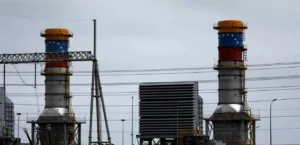
High temperatures cause severe stress on electricity networks. The sudden increase in demand for cooling systems leads to a significant increase in energy costs. In many regions, networks face the risk of outages, forcing industries to scale back operations or incur high operational costs, which weakens companies’ competitiveness and increases inflationary pressures.
The consequences do not stop at the energy sector, but extend to the workforce. Studies have shown that excessive heat reduces the efficiency of workers in the construction, agricultural, and manufacturing sectors, and even in office work environments. This decline in human productivity costs the global economy billions of dollars annually, with these losses expected to increase as the global warming trend continues.
Extreme temperatures disrupt the efficiency of transportation infrastructure; From the impact of railway traffic to the restriction of navigation in vital waterways, global supply chains are directly affected. This intersection between energy crises and declining productivity forces policymakers to reconsider “economic resilience” plans to confront a new era of climate risks.