During the official sessions, the Director General of the Ministry of Agriculture, Engineer Louis Lahoud, delivered Lebanon’s speech, conveying the greetings of the Minister of Agriculture, Dr. Nizar Hani, to the Council Presidency and the member states, and reviewing the reality of the Lebanese agricultural sector and the unprecedented challenges it faces as a result of the successive crises and Israeli attacks that caused extensive damage to agricultural lands and productive infrastructure. Lahoud pointed out that recent assessments showed that more than 22.5 percent of Lebanese agricultural land, equivalent to about 51,956 hectares, was damaged, while the work of about 78 percent of farmers in the south stopped, and the rate of displacement from the affected areas reached 76.8 percent, which threatens the continuity of agricultural production and increases pressure on national food security.
He also pointed out that the preliminary estimates of the Integrated Interim Classification of Food Security for the period between April and August 2026 indicate that about 1.24 million people in Lebanon may face severe levels of food insecurity, as a result of the rapid deterioration in livelihoods and the ability to access food. Lahoud stressed that the Ministry of Agriculture continues to implement an integrated response plan aimed at strengthening the steadfastness of farmers and maintaining the continuity of agricultural production, by supporting farmers in the affected areas, supporting livestock breeders, protecting the beekeeping sector, ensuring the continuity of agricultural services, and enhancing cooperation with local and international partners.
He called on the Food and Agriculture Organization and member states to pay special attention to Lebanon during this delicate stage, strengthen agricultural support and relief programs, and secure the necessary financial resources to rehabilitate and develop the agricultural sector, ensuring the sustainability of production and protecting food security. He also stressed the importance of adopting the Lebanese experience as a global case study on the devastating effects of armed conflicts on agriculture, food security and rural development, given the destruction of crops, trees, infrastructure and livelihoods in rural areas that Lebanese agricultural lands witnessed.
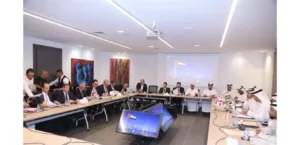
On the sidelines of the Council’s work, Lahoud held a meeting with the Deputy Director-General of the Food and Agriculture Organization of the United Nations (FAO), Mr. Maurizio Martina, during which the repercussions of the war on Lebanon and its direct repercussions on the agricultural sector were discussed, in addition to reviewing the reality of existing cooperation between the Ministry and the Organization in the fields of livestock, plants and forestry, plant protection, supporting small farmers and enhancing their resilience.
The meeting also dealt with following up on the results of the recent meeting between the Minister of Agriculture, Dr. Nizar Hani, and the Director-General of the Food and Agriculture Organization of the United Nations (FAO), in addition to following up on the outcomes of the agreement that Minister Hani signed with his Italian counterpart, and researching ways to expand joint programs between Lebanon and the organization, and developing technical and financial support mechanisms allocated to the Lebanese agricultural sector during the next stage, in a way that contributes to strengthening agricultural recovery efforts and supporting the resilience of farmers.
At the conclusion of the meeting, the Deputy Director-General of FAO informed the Lebanese delegation of the approval of the Food and Agriculture Organization of the United Nations and the Italian side for an emergency support project allocated to Lebanon, which aims to support the agricultural sector and enhance its ability to recover in light of the successive crises and current challenges.
During the meeting, direct contact was made with the Minister of Agriculture, Dr. Nizar Hani, to put him in the context of the results of the discussions, and to stress the importance of accelerating the launch of the project in a way that contributes to supporting Lebanese farmers and enhancing the continuity of agricultural production in various Lebanese regions.
The Ministry of Agriculture stressed that this step constitutes a positive indicator of the international community’s continued confidence in the Lebanese agricultural sector, and the importance of the existing partnership with the Food and Agriculture Organization of the United Nations (FAO) in supporting recovery efforts and promoting food security and sustainable agricultural development.