At a time when negotiations between Washington and Tehran continue amid a cautious atmosphere, the United States and Iran have reduced the chances of achieving an imminent breakthrough, despite increasing talk of significant progress in formulating an understanding that may put an end to the war that has been ongoing for about 3 months.
US Secretary of State Marco Rubio stressed that his country will give the diplomatic track “every possible opportunity” before moving to “other alternatives,” stressing that Washington seeks a “good” agreement with Iran, otherwise it will “deal with it in another way.”
Rubio said, during a press conference in New Delhi, that there is “a very strong matter” on the table related to Iran’s ability to open the Strait of Hormuz, in addition to “real, serious, and time-bound” negotiations on the nuclear file.
On the other hand, Iranian Foreign Ministry spokesman Ismail Baghaei confirmed that his country is negotiating to end the war, not to discuss nuclear issues at the current stage, pointing out that a general framework of understanding has been reached, but it is too early to talk about an imminent agreement.
Baghaei denied that there were final details related to the management of the Strait of Hormuz within the possible memorandum of understanding, noting that the strait is subject to the countries overlooking it, while stressing that Iran will not impose fees on traffic, but “the services provided will naturally be paid.”
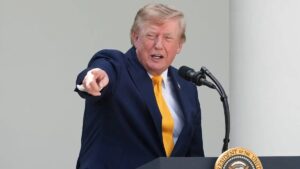
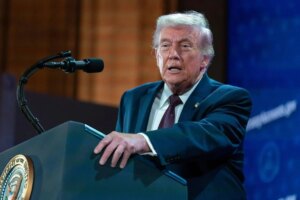
In parallel, Fox News quoted a senior US administration official as saying that US President Donald Trump gave Iran a period of between 5 and 7 days to formulate an acceptable agreement, within an equation based on “no nuclear stockpiles and no frozen funds.”
According to the American official, Tehran agreed “in principle” to the framework of understanding, while about 95% of the agreement was completed, with some details related to the final wording remaining.
American officials also revealed that the proposed understanding includes Iran opening the Strait of Hormuz in exchange for lifting the American naval blockade, in addition to getting rid of the highly enriched uranium stock, with the final agreement negotiations to be completed later within a period of 60 days.
This comes while thorny issues still hinder reaching a final settlement, most notably the Iranian nuclear program, US sanctions, and frozen Iranian funds, in addition to the war in Lebanon and regional tensions related to Israel and Hezbollah.
In a remarkable field development, the Iranian Mehr Agency reported the activation of air defenses on Qeshm Island, without explaining the reasons, which reflects the continued security tension in parallel with the fragile negotiating track.