In the midst of the faltering negotiating track between Washington and Tehran, Berlin entered the crisis line with direct messages to Iran, raising the level of political pressure on two sensitive files: the nuclear program and the Strait of Hormuz.
German Foreign Minister Johan Vadevol announced that he called on his Iranian counterpart, Abbas Araghchi, during a phone call, to reopen the Strait of Hormuz and abandon the nuclear program, stressing at the same time his country’s support for a negotiated solution.
Vadiful explained that Berlin, as a close ally of the United States, intersects with Washington with the primary goal of ending the Iranian nuclear program completely and verifiably, in addition to reopening the vital sea corridor, which constitutes a basic artery for global energy movement.
This position came days after Tehran submitted a modified proposal to the United States through the Pakistani mediator, which includes stopping the war completely, lifting the American blockade on Iranian ports, and opening the Strait of Hormuz, with the nuclear file being discussed at a later stage.
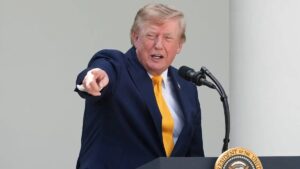
However, indications do not suggest that this proposal can be accepted, as Donald Trump has previously hinted at rejecting it, at a time when the US naval blockade that was imposed since mid-April, following the failure of the direct round of negotiations in Islamabad, is likely to continue.
In parallel, these developments intersect with American-European tension, after the dispute escalated between Trump and German Chancellor Friedrich Merz over the backdrop of the war, which was reflected in economic measures, most notably the raising of American customs duties on European cars, in a move that directly threatens the German industry.
Between the tightening of international conditions and the complexities of negotiation, the scene remains open to multiple possibilities, in light of the overlapping military and economic issues, and the continued mutual pressure between the parties.