In the midst of Israeli Prime Minister Benjamin Netanyahu’s announcement of Israel’s readiness to enter into negotiations with Lebanon, informed sources within the Israeli cabinet revealed the existence of deep disagreements among members of the Israeli leadership, as there is one team inclined to launch a large-scale attack on Lebanon, while another team sees in the negotiations an opportunity to address the “Hezbollah” issue.
A report by journalist Anna Persky in Maariv newspaper stated that the political-security cabinet meeting witnessed extremist positions, as National Security Minister Itamar Ben Gvir called for a direct strike on the Lebanese infrastructure, stressing that: “Lebanon is a state and must pay the price for Hezbollah’s actions. Its infrastructure must be destroyed and its electricity cut off… We must put Lebanon into darkness.”
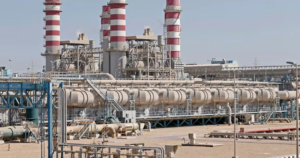
In turn, Foreign Minister Eli Cohen stressed the need to target Lebanese energy facilities and refineries, considering that: “Lebanon cannot continue to hide behind Hezbollah,” while Finance Minister Bezalel Smotrich went further, calling for expanding ground operations and “controlling more territory.”
On the other hand, Foreign Minister Gideon Saar presented a different point of view, demanding that we focus on Hezbollah without targeting the Lebanese state, and supported the negotiation option, noting the importance of “setting a challenge for Lebanon to deal with Hezbollah.”
In conjunction with this division, Netanyahu stressed in a video message addressed to the residents of the north that: “There is no ceasefire in Lebanon,” adding that the Israeli army will continue to strike Hezbollah “strongly until security is restored,” despite the announcement of the start of direct negotiations.
Netanyahu added: “After repeated requests from the Lebanese government, I instructed the start of direct negotiations to achieve two goals: disarming Hezbollah and reaching a sustainable peace agreement between Israel and Lebanon,” considering that “Israel is stronger than ever, and Iran is weaker than ever.”
This contradiction between escalation and diplomacy reflects the nature of the current stage, as Israel is moving in two parallel directions: intense military pressure on the one hand, and seeking to impose political conditions through negotiation on the other hand.
In conclusion, this disagreement within the cabinet shows a struggle in strategies between those who call for the subjugation of Lebanon by force, and those who believe in the possibility of weakening it politically, which makes any possible negotiating path depend on the situation on the ground and Israeli internal balances.