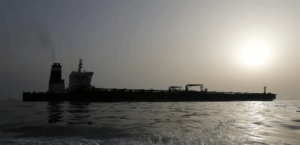
The consequences of the war on Iran have become more evident in the daily lives of Asian countries, with the continued effective closure of the Strait of Hormuz, and mounting fears that the energy crisis will worsen and its scope of influence will expand rapidly.
This came after a statement by US President Donald Trump, in a television speech, in which he confirmed that “the basic strategic objectives are nearing completion,” and he spoke vaguely that the Strait of Hormuz “will be opened automatically,” without explicitly announcing a ceasefire that the world had been waiting for. Meanwhile, Asian stock markets witnessed volatility, while crude oil prices rose.
More than a month after the surprise attack launched by the United States and Israel on Iran, Southeast Asian countries began taking urgent measures to confront the energy crisis. In Indonesia, the government announced measures aimed at reducing oil consumption, including implementing a remote work system, while Vietnam called on its citizens to reduce the use of private vehicles. In Myanmar, energy shortages have exacerbated economic uncertainty.
Several Asian airlines also announced the imposition of heavy additional fees on fuel, as the transport sector faces increasing pressure, with mounting fears of a return to conditions similar to the period of the Corona pandemic.
The current energy crisis differs from the price surge of 2008, which was then linked to structural factors and increased demand from emerging Asian economies, and contributed to driving green technology innovation. Today, with this path slowing down, emerging Asian economies have no choice but to focus on rationalizing consumption.