The prevention of Cardinal Pierbattista Pizzaballa from entering the Church of the Holy Sepulcher in Jerusalem sparked widespread discontent, requiring quick intervention from Israeli Prime Minister Benjamin Netanyahu, who issued immediate directives to address the matter.
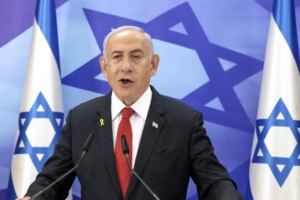
Netanyahu announced on the “X” platform that he had directed the relevant authorities to allow Cardinal Pierbattista Pizzaballa, the senior representative of the Catholic Church in the Holy Land, “full and immediate access” to the Church of the Holy Sepulcher, after he was prevented by the police.
The Latin Patriarchate in Jerusalem reported that the Israeli police arrested Pizzaballa on Sunday while he was trying to enter the church located in the Old City to hold Palm Sunday Mass, describing the incident as a “dangerous precedent” that represents an infringement on freedom of worship.
This incident sparked angry international reactions, as Italian Prime Minister Giorgia Meloni considered that preventing the cardinal from entering “is not only an insult to believers, but to every society that believes in freedom of worship.”
German politician Armin Laschet also criticized this decision, stressing that preventing the Pope’s representative from accessing one of the holiest Christian sites during Holy Week is “unacceptable,” and represents a violation of a long historical tradition related to freedom of access to the church.
This incident comes in the context of escalating tensions in Jerusalem, specifically in the Old City, where security considerations are intertwined with deep religious sensitivities, especially during important religious occasions.
The Church of the Holy Sepulcher is one of the most important holy places for Christians around the world, and annually witnesses major religious celebrations during Holy Week, making any restrictions on access to it a subject of international concern and severe criticism.
Netanyahu’s rapid intervention reflects an attempt to contain the political and religious repercussions of the incident, especially in light of increasing international pressure, amid concerns about the impact of such measures on Israel’s image regarding freedom of worship and management of holy sites.