Israeli sources revealed American-Israeli cooperation to formulate a plan for the post-war phase in Iran, aiming to pave the way for a possible change in the political regime in Tehran.
The newspaper “Israel Hayom” quoted a knowledgeable official as saying that the primary goal is to help the Iranian people change their current government, while emphasizing that the final decision rests with the Iranians themselves.
The report indicated that the plan includes declared aspects aimed at providing immediate and direct support to the Iranian people if they move to change the political leadership in the country, but the source declined to mention the tactical or operational details of the plan to protect information from reaching adversaries.
The proposed perception is based on the idea that the Iranian people are the main force that must lead any change in the Iranian regime, and not the American or Israeli forces. Both sides also hope that an alternative leadership will emerge from within the main components of Iranian society, and not from ethnic minorities such as the Kurds or Azeris.
In this context, the report stated that the original plan for the war did not expect Iranians to take to the streets at the beginning of the confrontation. On the first day of the war, US President Donald Trump called on Iranian citizens to stay in their homes, saying: “Take shelter in your homes. Stay inside. It is very dangerous outside. Many bombs will fall.” He added that the people will later be able to “control their government,” stressing that “the government belongs to the people.”
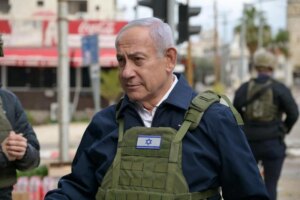
In the same tone, Israeli Prime Minister Benjamin Netanyahu spoke, hinting at the possibility of a moment when Iranians might be asked to take to the streets. “The moment of truth is approaching,” he said, adding that the goal is not to divide Iran but to “liberate it from tyranny,” stressing that ultimately change depends on the Iranian people.
However, Israeli officials stressed that regime change in Tehran depends entirely on an internal initiative from the Iranians themselves, which means there are no guarantees that this scenario will succeed.
Informed sources report that any major political transformation may not occur immediately after the end of the war, but rather it may take weeks or even months after the cessation of military operations.
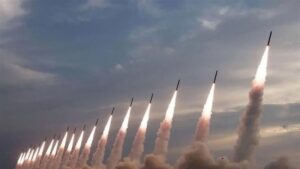
In light of the rapid progress in implementing the military plan, at a pace faster than initial expectations, an informed source suggested that the war would continue for a shorter period than initially expected. While US officials initially spoke of a confrontation that could last between four and five weeks, current estimates indicate that US and Israeli strikes against Iran may stop sooner than that.