Monetary policymakers and central bank chiefs are reacting with extreme caution to the escalating military tensions in the Middle East, amid growing concerns about the potential for disruptions in energy markets and rising inflation rates globally. These concerns come at a time when markets have already begun to internalize these risks by selling bonds, in anticipation of more restrictive monetary policies and a potential rise in interest rates.
The report indicates that anxiety seems more evident on the European continent, where Joachim Nagel, head of the German Central Bank, stated that the greatest impact of the crisis will be reflected in inflation more than economic growth. Meanwhile, Japan is considering continuing its monetary tightening policy, while expectations for interest rate cuts have declined in some developing Asian economies. As for the US Federal Reserve, it continues to follow a “wait and see” approach.
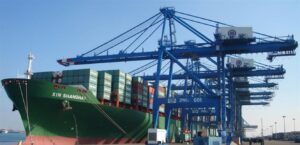
The disruption of shipping traffic across the Gulf and the decline in ship traffic in the Strait of Hormuz are among the most influential factors, increasing concerns about oil and gas supplies and pushing prices higher. However, some economists argue that the inflationary impact may be temporary, as rising energy costs weaken purchasing power and pressure growth and employment rates, presenting central banks with the difficult challenge of balancing curbing inflation and protecting the economy.
The report also referred to Morgan Stanley’s expectations that the war in Iran represents a “lose-all” scenario for the global economy, as it puts pressure on growth and raises inflation rates at the same time. Morgan Stanley warned that a 10% shock in oil prices could raise the inflation rate in the United States by about 0.35% within three months, which could limit the ability of central banks to reduce interest rates. (Al Ain)