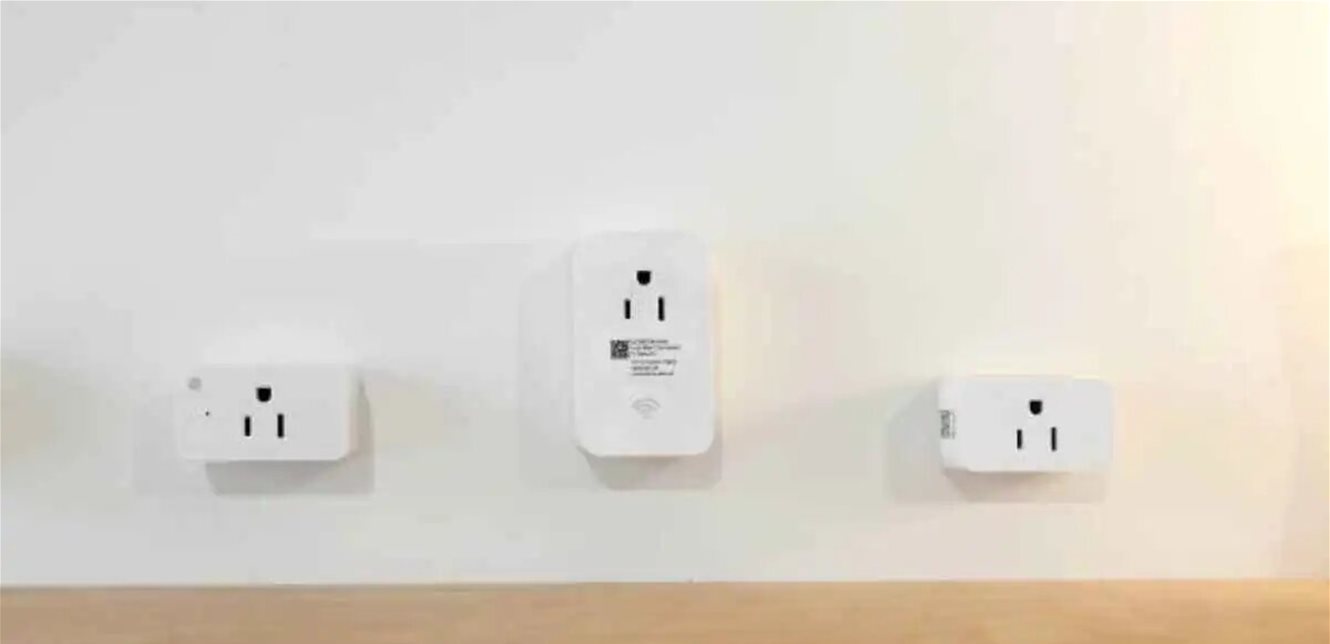
Many people interested in smart homes ask the question of whether “smart plugs” continue to consume electricity even after they are turned off, and the short answer is: yes, they consume a small amount of energy, and this is an essential part of the way they work.
Smart plugs need a constant connection to Wi-Fi or other wireless protocols in the home to work. In order for the jack to remain “ready” to receive commands from your phone or through voice assistants at any time, the wireless SIM card and internal controls must be always on.
This consumption, known as “standby power,” is what allows the plug to respond instantly to remote on-off commands. Although this consumption is very small and almost does not appear in the monthly electricity bill, it remains present as long as the device is plugged in and connected to the wireless network.
Typically, a smart plug in standby mode consumes approximately 0.5 to 2 watts. This may seem like a small number, but accumulating the consumption of a large number of smart plugs in a home can make a small difference in overall energy consumption in the long run.
Experts point out that the main advantage of smart plugs does not lie in reducing the consumption of the socket itself, but rather in its ability to completely disconnect electrical power from devices that are left in “standby” mode, which may consume much more energy than the smart socket itself. Therefore, using these sockets remains an effective way to reduce the overall electricity consumption in the home, even though the socket itself consumes little energy.