In light of the sensitive circumstances that Lebanon is going through and the accompanying anxiety among citizens, the Syndicate of Pharmaceutical Importers and Warehouse Owners in Lebanon (LPIA) confirms that the situation of the drug market remains stable up to this moment, and that the stock available in companies, warehouses, and pharmacies is good and sufficient to meet the needs of the market normally.
In this context, the union stresses that the supply of medicines continues regularly, and that import and distribution operations are underway in coordination with the Ministry of Public Health and the relevant authorities, to ensure the continued availability of medicines in all regions.
Therefore, the union calls on citizens to remain calm and not rush to pharmacies or store medicines in quantities that exceed the actual medical need, as this may cause unnecessary pressure on pharmacies and the distribution process, which may create an imaginary crisis and negatively affect market stability.
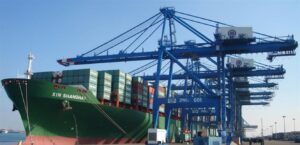
In parallel, the union affirms its full support for the efforts of the Lebanese state and its endeavors, in cooperation with Lebanon’s international partners, to maintain the security of vital facilities in the country, especially “Rafic Hariri International Airport” and the ports, because this represents a fundamental importance in ensuring the continued supply of the Lebanese market with necessary materials, most notably medicines.
The Syndicate also extends its thanks to “Middle East Airlines” for its efforts in maintaining Lebanon’s communication with the outside world in these circumstances, hoping that the company will continue to give priority to pharmaceutical shipments within its air freight operations, which contributes to enhancing the continuity of the pharmaceutical supply to the Lebanese market.
In conclusion, the Syndicate of Drug Importers and Warehouse Owners in Lebanon confirms that importing companies continue to work around the clock to provide medicines and enhance drug stocks, to ensure the protection of health security and patients’ continued access to their medicines, no matter how severe the circumstances are.