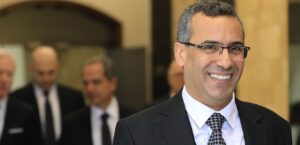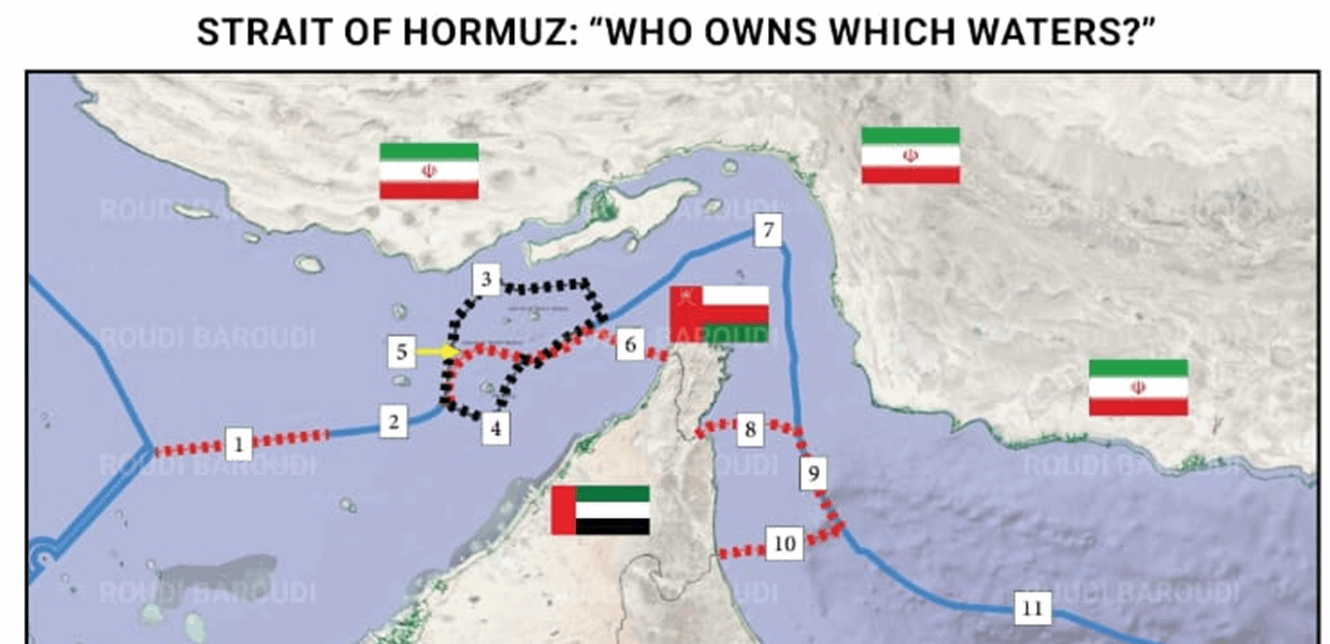
The international expert in energy affairs, Rudy Baroudi, explained that no country has the right to prevent passage through the Strait of Hormuz, stressing that the United Nations Convention on the Law of the Sea of 1982 includes clear provisions in this regard, especially Article 44, which categorically guarantees the “right of free passage” for all foreign ships.
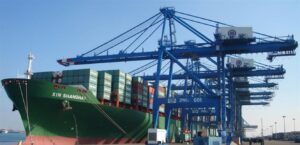
On Al Jazeera, Baroudi stated that the width of the transit corridor in the strait is about two nautical miles (that is, approximately three kilometers), and it is designated for all types of ships, whether they are energy tankers, commercial cargo ships, or ships carrying foodstuffs, stressing that these ships have the right to pass without any obstruction, inspection, or any unjustified restrictions.
He also pointed out that the Sultanate of Oman has approved the Law of the Sea Convention and is committed to implementing it, in addition to the existence of an agreement between it and Iran to demarcate maritime borders since 1974, and no one has the right to transgress it. He added that both Iran and the United Arab Emirates have signed the agreement, but its provisions have not been fully activated yet.
Regarding the effects of the current tensions, Baroudi believed that the price of a barrel of oil reaching the level of $100 is not unlikely if the escalation continues, pointing to the recent increase in liquefied gas prices.
He warned that any significant increase in energy prices would have a direct impact on the global economy, in addition to increasing living burdens and rising costs of life in various parts of the world.