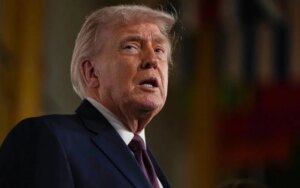
Iran has entered a decisive political turning point after Iranian television officially announced the killing of Supreme Leader Ali Khamenei in the Israeli-American raids that targeted the country on Saturday, a few hours after US President Donald Trump announced his death.
The Iranian authorities announced that the management of the country’s affairs will be temporarily entrusted to President Masoud Pezeshkian, the head of the judiciary, and a member of the Guardian Council, in accordance with the provisions of the constitution that determine the mechanism for dealing with the vacancy in the position of Supreme Leader.
According to official announcements, a successor to Khamenei is expected to be chosen within a few days, through approved constitutional channels. In this regard, political analyst Hussein Reoran said in an interview with Al Jazeera that the process of selecting the new guide will take place smoothly, citing the experience of the transfer of power after the death of former president Ibrahim Raisi in a helicopter crash last year.
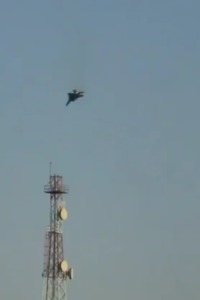
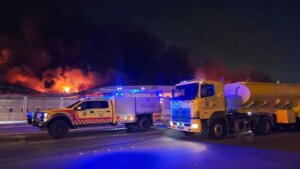
Rioran stressed that Iran is a “state of institutions,” and that the process of choosing a leader will not be affected even in light of the current state of war, noting that Iran’s military readiness has not deteriorated despite the assassination of a number of prominent leaders. This was evidenced by the strikes that targeted Israel and other targets in the Gulf states following the recent attacks.
For its part, the Iranian Supreme National Security Council stated that “the testimony of Supreme Leader Ali Khamenei will be the starting point for a great uprising against the tyrants of the world,” while the Revolutionary Guard vowed to respond and avenge his killing. Fars Agency reported that Khamenei was killed in his office while performing his duties on Saturday morning.
In a related context, the Iranian government declared general mourning for 40 days, with official departments closed for 7 days, which indicates the scale of the event and its effects on the domestic and regional arenas, amid widespread anticipation of the identity of the next leader and the directions of the next stage in Tehran.