Israeli media reported on Wednesday that the Peace Council intends to approve its organizational principles and officially begin its financial activity on Thursday, in light of Israeli Prime Minister Benjamin Netanyahu’s decision not to participate in financing the council.
The Israeli Broadcasting Corporation explained that the Council is expected to approve, during its founding meeting in Washington, the regulations governing its work, including collecting donations, opening bank accounts, and starting financial activity. According to a document sent to the countries participating in the first meeting, the Peace Council will be funded “from member states, from other countries, and from additional organizations or sources.”
In a related context, the White House announced that US President Donald Trump will host the Peace Council meeting tomorrow, Thursday, and it will be announced that members of the Council have pledged more than $5 billion allocated to humanitarian and reconstruction efforts in the Gaza Strip. He added that more than 20 countries will participate in the meeting, which will discuss humanitarian endeavors and providing security in the Strip.
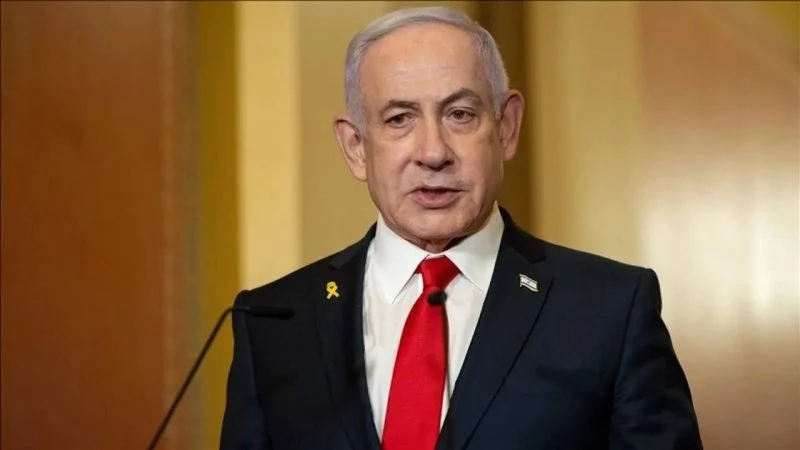
On the other hand, the newspaper “Israel Hayom” reported that “Netanyahu” had taken a decision that Israel would not be among the countries that would allocate budgets to finance the establishment of the council.
Trump had previously stated, through a post on his “Truth Social” platform, that the member states of the Peace Council also pledged to allocate thousands of individuals to the stabilization force mandated by the United Nations, and to the local police in the Strip, within the framework of the proposed plan.
The Peace Council is entrusted with supervising the transition of Gaza’s administration to the post-war phase, provided that this administration does not belong to Hamas, according to a 20-item American plan.
The launch of the Peace Council comes in the context of a multilateral international process to manage the post-war phase in Gaza, in light of increasing humanitarian pressure and an urgent need for reconstruction. The US plan proposes a framework for financing, security, and civil administration, relying on broad international participation and stabilization forces under UN supervision. However, the Israeli reservation on funding reflects internal and regional differences over roles and responsibilities, and represents an early test of the initiative’s cohesion and its ability to move from pledges to actual implementation.