– Samar dies
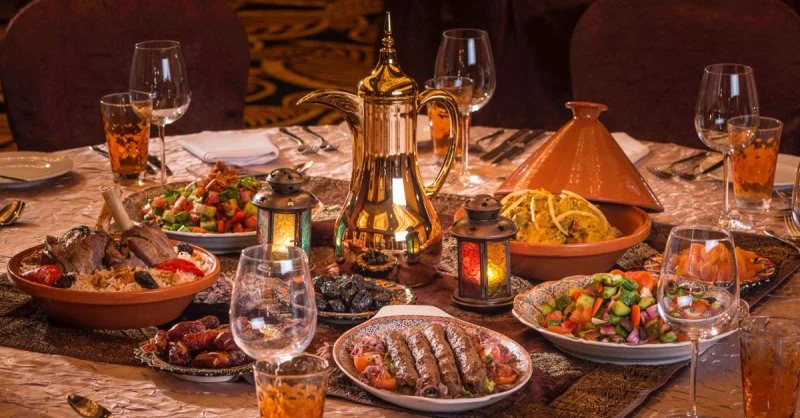
The month of fasting coincides this year for Muslims and Christians, so spiritual practices are similar and dining tables are different, but the concern remains the same: rising prices. Whether one is waiting to break the fast with rich Ramadan dishes, or preparing to break the fast with simple fasting dishes, one faces the same challenge in a country where purchasing power is deteriorating day by day. Even dishes that were considered essential on the tables of fasting people, such as fattoush, soup, and sweets, have become subject to careful calculations, while meat, chicken, vegetables, and legumes have turned into a heavy burden on the shoulders of many families.
Although the Ministry of Economy announced the launch of the “Together with Fasting” initiative to reduce the prices of 21 basic food commodities in a number of stores, the question remains: Is this measure really sufficient to alleviate a burden that goes beyond the fasting seasons and affects the daily lives of the Lebanese?
Between the stalls and the supermarket
During a tour of a number of popular markets and grocery stores, activity appeared noticeable. Women move between shelves and stalls, carrying shopping lists and comparing prices, trying to secure enough vegetables, legumes and cheeses to prepare breakfast tables that maintain the month’s traditions despite their limited means.
Umm Ali, a mother of five children, buys enough vegetables for a week, but today she carefully calculates the value of each item. She says: “Even the fattoush dish has begun to require its own budget. Lettuce, tomatoes, cucumbers, lemons, and vegetables have all increased in price.”
In a nearby supermarket, Magda puts two bags of lentils in the shopping cart and then returns one of them. She summarizes her suffering by saying: “I try to balance quantity and price. I buy less and replace it with a simpler dish, but I do not like my children to sit at the table craving something that I cannot provide.”
In the meat department, the situation is more severe. Customers compare prices from one store to another, and despite competition, prices remain high for those with limited income. This is what Abu Jad expressed: “I was never looking for the cheapest, but rather for the best, but today, with this outrageous price and the greed of merchants, I have started going to the cheapest stores, and buying in measured quantities.”
Sweets have become a luxury!
In pastry shops, the scene looks most beautiful. The owners and employees are busy preparing for the season, as Qatayef and Kalaj carts have begun to occupy the storefronts and in front of the stores, signaling the approaching arrival of the holy month. But behind this scene, shop owners fear a decline in sales this year, because many customers are only asking about prices. “Abu Shadi” is an example of this. He enters to ask about the prices of Qatayef, Shuaibiyat, and Mafrouka, then comments: “This year we will reduce the quantity… sweets have become a luxury,” which is a sentence that sums up the situation of many in a season that is supposed to be a season of joy.
Forced austerity
The scene does not differ much between the tables of Muslims and Christians in Lebanon. Fasting, despite its different rituals and details, collides with the same living reality. Here is Samira, a mother of three children, standing in front of the vegetable seller, carefully choosing what she needs. She says: “Our Lent depends mainly on vegetables and legumes, but the irony is that the prices of these items have increased significantly. Lentils, chickpeas, and beans were the cheapest alternative to meat, but today they are no longer the case. We try to adhere to fasting, but we adjust the quantities.”
“Fadi,” a father of two children, enters the conversation to add: “The problem is not only about fasting, but that income has not changed while prices are constantly rising. Despite the Ministry of Economy’s plan to reduce some goods, this does not actually reflect on our purchasing power. Fasting is supposed to be a time of spiritual austerity, not forced austerity due to high prices.”