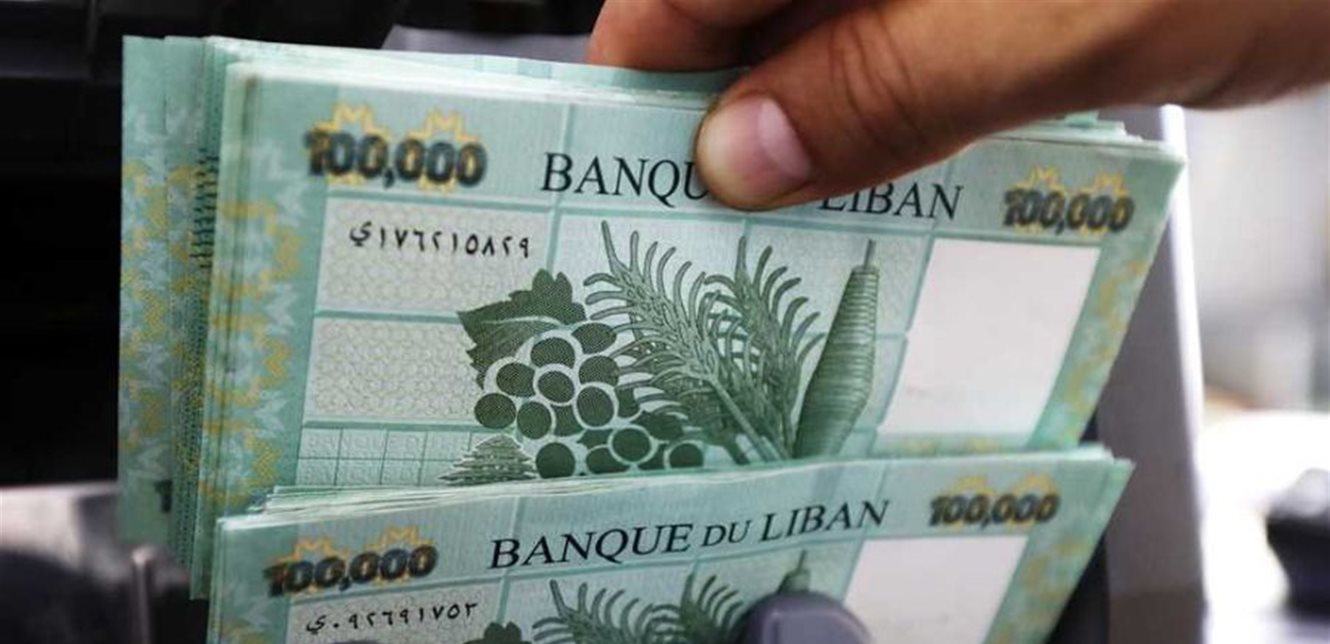
In a recent report, Standard & Poor’s raised Lebanon’s long-term credit rating in local currency to “CCC+” with a stable outlook, announcing that it expects to exclude Lebanon’s local currency debt from any future debt restructuring plan.
A credit rating is an assessment provided by a global agency of a country’s ability to meet its financial obligations, especially with regard to debt. The higher the rating, the greater the confidence in a country’s ability to repay its debts on time and the lower the risk for lenders and investors.
Economists believe that “raising Lebanon’s long-term credit rating in local currency from a lower level such as CCC to CCC+ is a slight improvement in the rating,” explaining that “this indicates that the ability to repay debts denominated in the Lebanese pound has improved slightly compared to what it was previously.”
The CCC+ rating is still considered very weak by global standards, but it is better than the lower levels, indicating positive steps in fiscal policies.
Experts point out that “Standard & Poor’s raising the rating is due to several factors, including the fact that the Lebanese government has begun paying its obligations in the local currency regularly after a long pause, in addition to the improvement of public financial conditions and the emergence of budget surpluses in recent years, and progress in the economic reforms necessary for cooperation with the International Monetary Fund. However, this does not mean the end of the economic crisis in Lebanon that began in October 2019.”
It is worth noting that the foreign currency rating remains at the SD (Selective Default) level, which means that Lebanon is still considered delinquent on its international debts or in a situation similar to foreign debt default. The “CCC+” rating is still in the high risk category, which means that it is still difficult for Lebanon to obtain good international credit on favorable terms.
In short, raising the credit rating in local currency is a simple positive signal that reflects a gradual improvement in Lebanon’s ability to manage its domestic debt, but it does not indicate a full recovery of the economy or a solution to the major financial crises.