Informed sources reported that the Kingdom of Saudi Arabia has decided to reduce the size of its ambitious luxury tourism project on the Red Sea coast.
The project included building dozens of resorts at a cost of billions of dollars by 2030, as part of a comprehensive review of spending priorities in the Kingdom.
This project is considered one of the basic pillars of “Vision 2030” launched by Saudi Crown Prince Mohammed bin Salman, which aims to diversify the economy and attract tourism and foreign investments.
According to the sources, construction work on the Red Sea project will temporarily stop as of late 2026, with the second phase, which included a plan to build 81 resorts by 2030, on hold. Sources within the Red Sea International Company indicated that the current operational cost of the project “exceeds the returns unsustainably.”
On the other hand, the company denied stopping the project, and confirmed that the first phase will be completed by building 27 resorts this year, and that the second phase will be implemented according to a “sequential methodology,” with the continuation of development and design work and obtaining the necessary approvals.
These developments come in light of prioritizing infrastructure obligations associated with Riyadh’s hosting of Expo 2030 and the 2034 FIFA World Cup. Saudi Finance Minister Mohammed Al-Jadaan acknowledged during the World Economic Forum in Davos that the government is “reviewing project priorities,” indicating that some of them will be extended, reduced, or postponed.
The Kingdom relies heavily on oil revenues, while Aramco recorded a decline in its profits for several consecutive quarters during 2025, which reinforced the need to rearrange spending priorities, according to sources in companies affiliated with the Public Investment Fund.
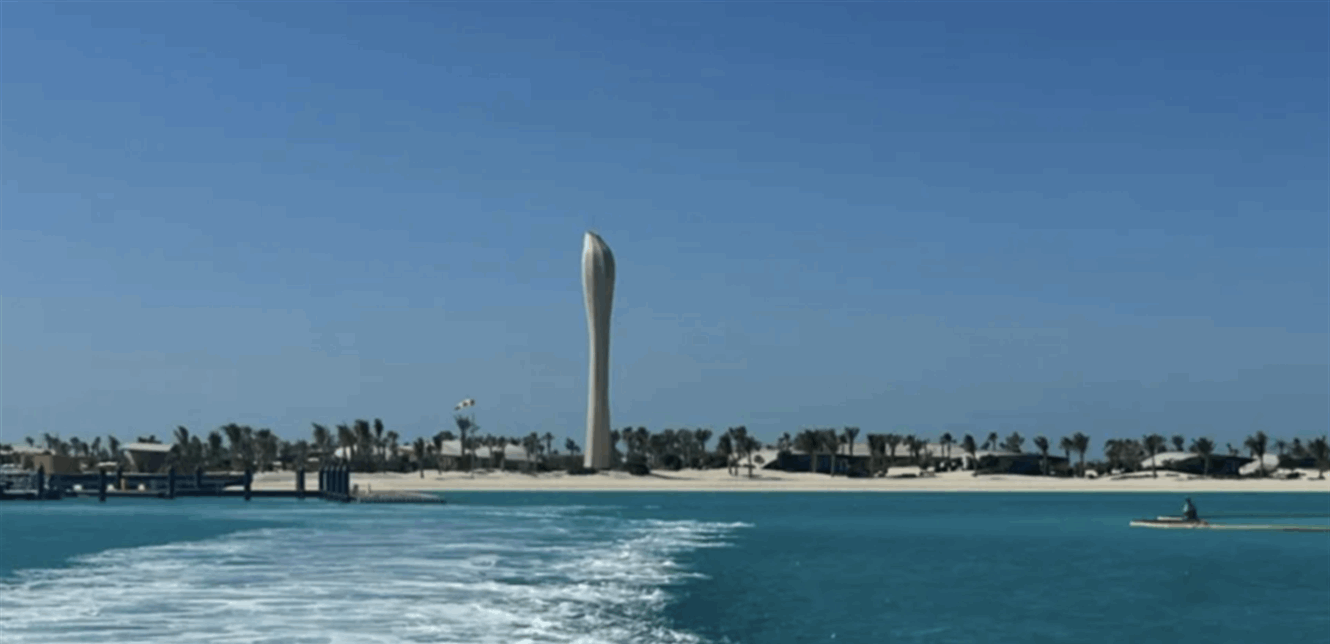
The Red Sea project includes the establishment of dozens of luxury hotels and tourist islands, in addition to the “Amala” project, which extends over an area of 4,155 square kilometers, an international airport, and yacht clubs. However, a number of sources and consultants indicated the cancellation of commercial tenders and the postponement of work that was scheduled to be carried out in 2027 and 2028, amid fears of job losses and the transfer of employees to other projects such as Diriyah and Qiddiya.
One of the consultants reported that occupancy rates in the completed resorts were “low,” noting that the high prices and large project size contributed to this, considering that initial estimates of the volume of demand were “exaggerated.”
In a related context, other giant projects are facing similar challenges, including the “Cube” project in Riyadh, as well as the future city of NEOM, estimated to cost about $500 billion, which has witnessed delays in some of its components, including the “Truina” ski resort. (Russia Today)