Cynthia Sarkis – Mtv
In the calculations of countries, especially the largest ones, timing is not left to chance. Just as the words of statements and permits are counted, so are the hours, minutes, and days chosen before launching any military action in order to ensure its success and whether it will affect or affect vital and strategic sectors. Anyone who monitors American operations in recent years or even decades will notice that sensitive and extremely important attacks are often carried out on weekend nights, specifically Saturday.
The attack on Iraq, for example, in 2003, took place at dawn on Saturday, March 22, in order to maintain the element of surprise, and to take advantage of the time when the American media and Congress were less active, which gave the administration time to control the media narrative. On another Saturday night in 2017, America attacked Syria.
One of the largest American operations in history was the night of the killing of Osama bin Laden in 2001, which also took place on a Saturday night, with complete secrecy and at a time that contributed to reducing leaks and delaying the political debate about it until the next morning.
The bombing of Libya in 2011, which was known as Operation Odyssey Dawn, also took place on a Saturday night, as well as the “Praying Mantis” operation against Iran on April 18, 1988, which was considered the largest direct naval confrontation between Washington and Tehran.
Midnight Hammer, which is one of the most important American attacks in history that targeted Iranian nuclear facilities. As its name indicates, it occurred at midnight, specifically the night of Saturday – Sunday, June 22, 2025.
This American timing for carrying out the attacks must be stopped, as it carries strategic and operational implications. On Saturdays, Congress is not in session, and major newspaper headlines postpone their headlines until Monday morning, which helps the American administration move more comfortably, as reactions, objections, or major media analyzes will be postponed for hours, enabling it to arrange its speech.
The economic factor may also play a key role at this time, as Wall Street is closed at the end of the week and therefore there is no immediate collective trading or selling, which prevents the collapse of the financial markets and gives the US government time to absorb the shock and reassure investors before the markets open again.
In parallel, the element of surprising the target is the most important militarily, as it confuses the opponent who is relatively calm and relaxed, which makes preparation difficult and facilitates implementation, while controlling the repercussions.
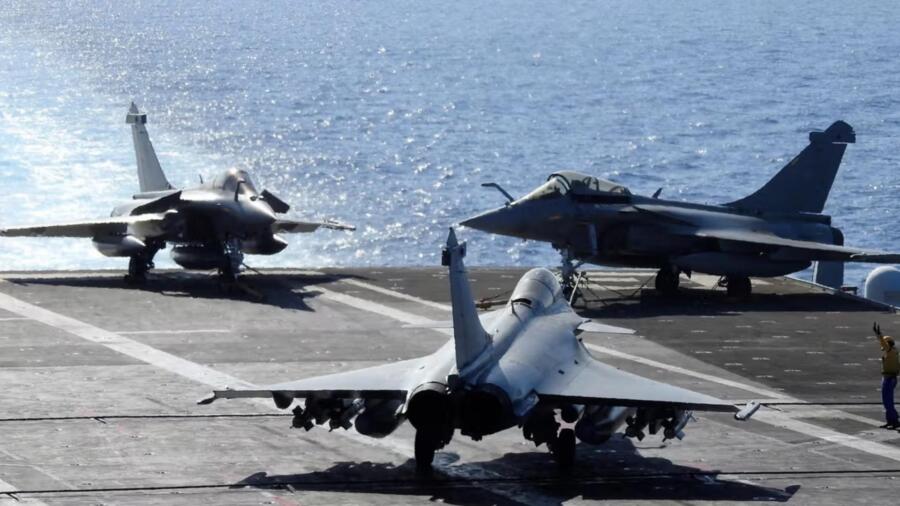
In a world where wars are waged with media as well as with missiles, the timing of the attack becomes a weapon no less important than any other weapon. Therefore, in the midst of the seismic negotiations between the United States of America and Iran that the whole world is awaiting, and in parallel with the military fleets deployed in the Middle East… Does the failure of the negotiations in the coming days mean that we will wake up on Sunday to a fiery scene in Iran?