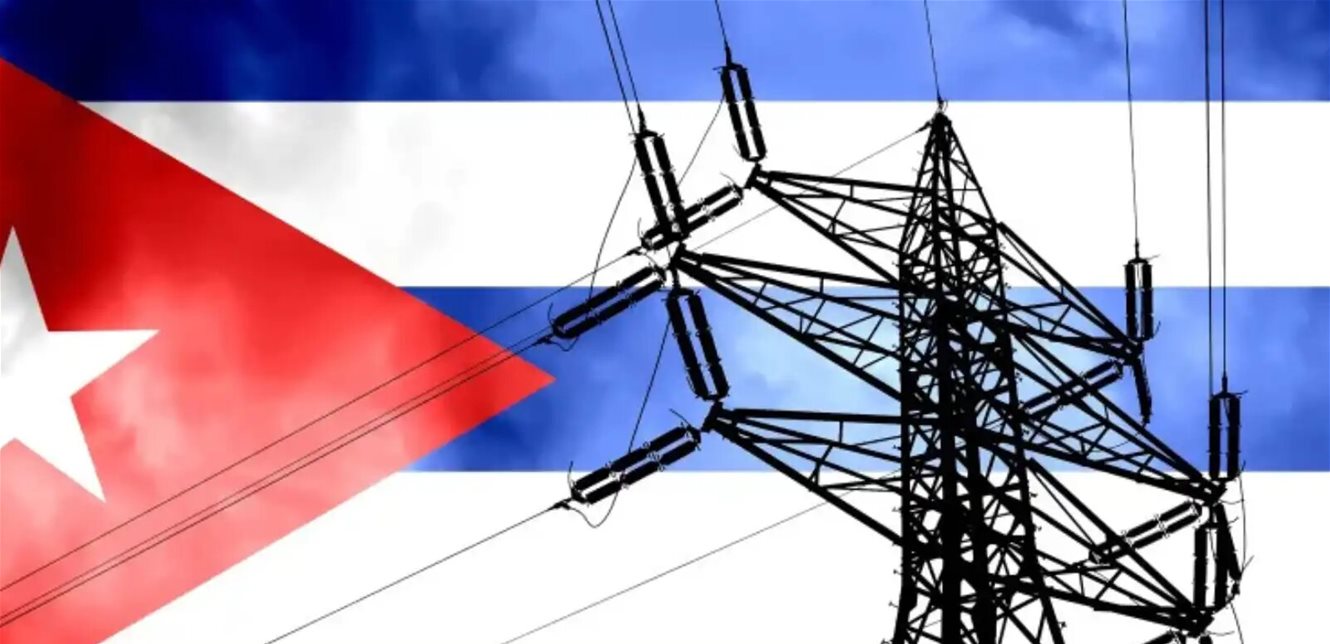
The Cuban people are suffering from a worsening living crisis manifested in prolonged power outages, a crazy rise in the prices of food and transportation, in addition to a severe fuel shortage, in conjunction with American threats to impose sanctions on countries that supply Cuba with oil.
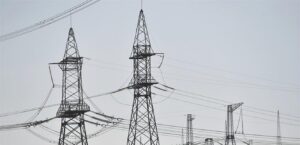
According to Reuters, residents of rural areas have been suffering for many years from the deterioration of the electricity network, while the capital was in a relatively better situation, but the situation deteriorated after fuel shipments from Venezuela and Mexico stopped arriving, which led to a rise in gasoline prices and its sale being limited to US dollars. The Cuban peso also lost more than 10% of its value in just three weeks, increasing the burden on families.
Public and private transportation has been greatly affected, with a number of buses and taxis stopping operations, while others have been forced to raise their fares significantly, forcing residents to “pay or stay home.”
Even electric cars, which represented a partial solution to the fuel shortage crisis, were also affected by long and frequent power outages.
Despite these difficulties and challenges, there is no sign of widespread protests in a country known for suppressing dissent, while the Cuban government declared an international emergency in response to Washington’s threats to impose tariffs on oil imports.
Citizens are struggling to secure basic needs of food, fuel, and water, as daily difficulties continue to worsen.
Many expressed their feelings of helplessness and despair, stressing that the primary goal had become simply survival, with the absence of any hope for improvement in the situation, whether from the Cuban government or from the United States. Some citizens expressed their sense of deep despair, as daily life in the capital and surrounding areas continues to deteriorate, with frequent power outages affecting traffic lights, public transportation, and basic services. (Arm News)